Number one is the barbell curl. It loads the biceps through a full range with the most weight you will curl all week, and every other exercise on this list supports it. If you only do three: barbell curl for load, incline dumbbell curl for the stretch, hammer curl for thickness. That combination trains both heads of the biceps plus the brachialis, the muscle that pushes your peak up from underneath. The full top 10, with the best use for each, is below.
Best 10 Biceps Exercises
Training · 22 October 2026
Key takeaways
- The barbell curl earns the top spot because progressive overload - adding weight or reps over weeks - is what grows biceps, and no curl loads better.
- The incline dumbbell curl stretches the long head under load, and the stretched position is where much of the growth signal comes from.
- Hammer curls build the brachialis and forearms, which thicken the arm more than another variation of the same supinated curl.
- Strict form beats heavy weight: if your elbows drift forward or your hips swing, the shoulder does the work and the biceps coast.
- Two to three of these per session, twice a week, is enough. Ten curls in one workout is junk volume, not enthusiasm.
How we chose
Every exercise here passes four tests. First, direct biceps loading: the biceps is the limiting muscle, not the back or shoulders. Second, a useful stimulus you cannot get from the others - stretch, peak contraction, constant tension, or bodyweight practicality. Third, progression: you can add weight, reps or control over months, not just weeks. Fourth, accessibility: each one exists in a normal Indian gym, and six of the ten need only dumbbells or a bar. No novelty machines, no influencer variations that exist to look new.
1. Barbell curl - best for overall growth
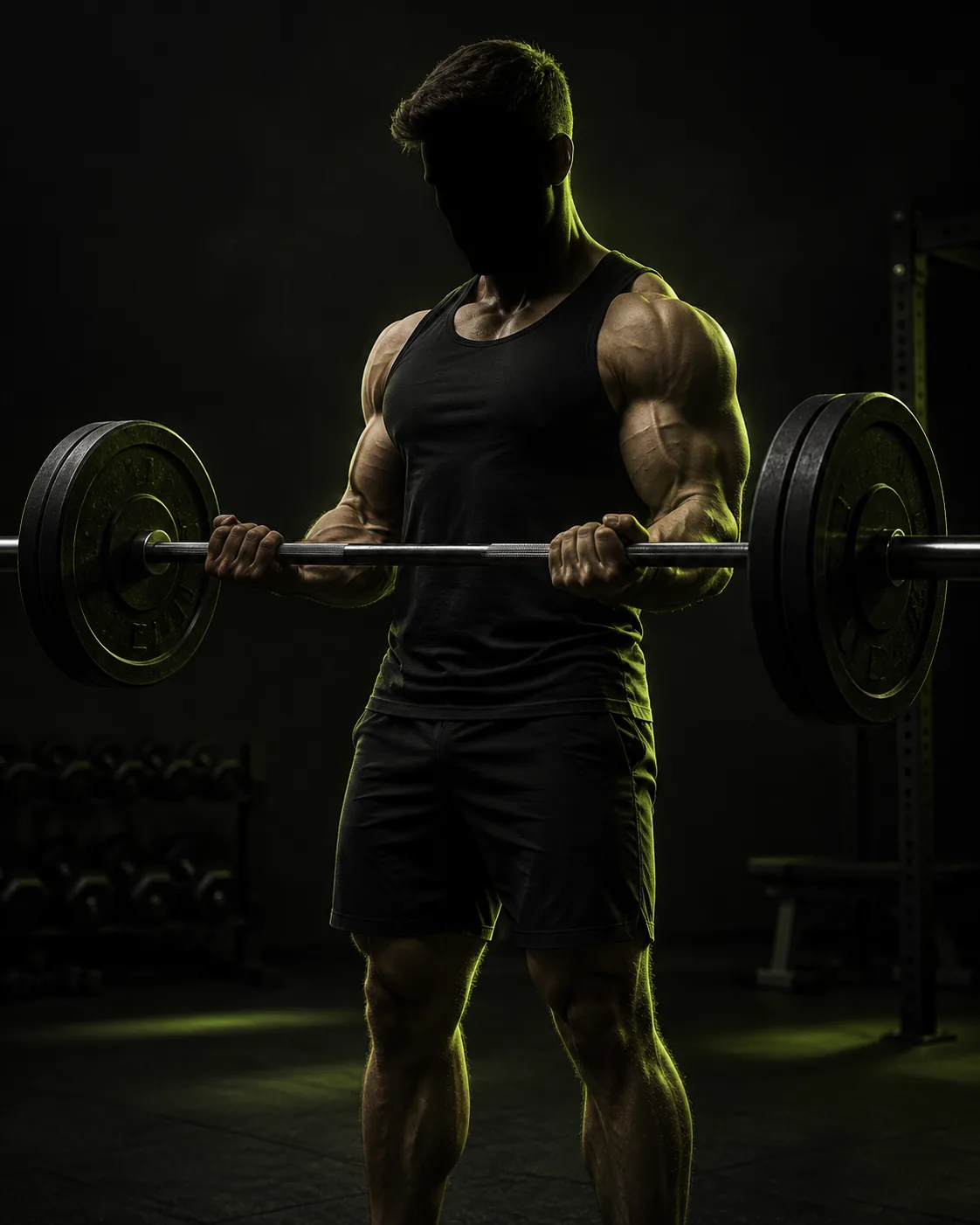
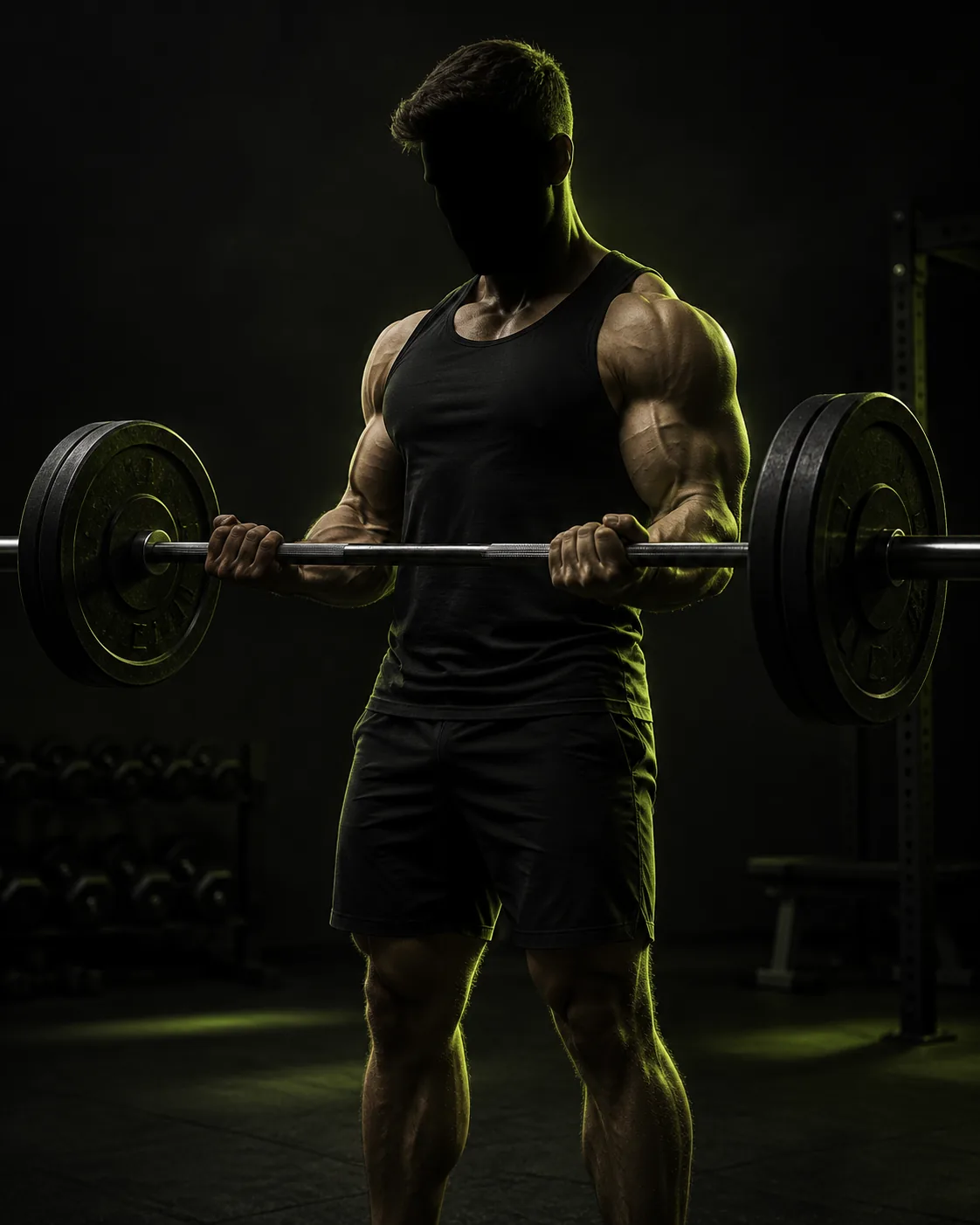
The main mass builder. Shoulder-width underhand grip, elbows pinned to your sides, curl to chest height, lower for two to three seconds. The standing barbell curl lets you use the most weight of any curl, and load through a full range is the foundation everything else refines. Work in the 6-10 rep range for heavy sets and 10-15 for back-off sets. The mistake that ruins it: leaning back and turning it into a hip hinge. If the weight needs momentum, it is too heavy.
2. Incline dumbbell curl - best for the stretch
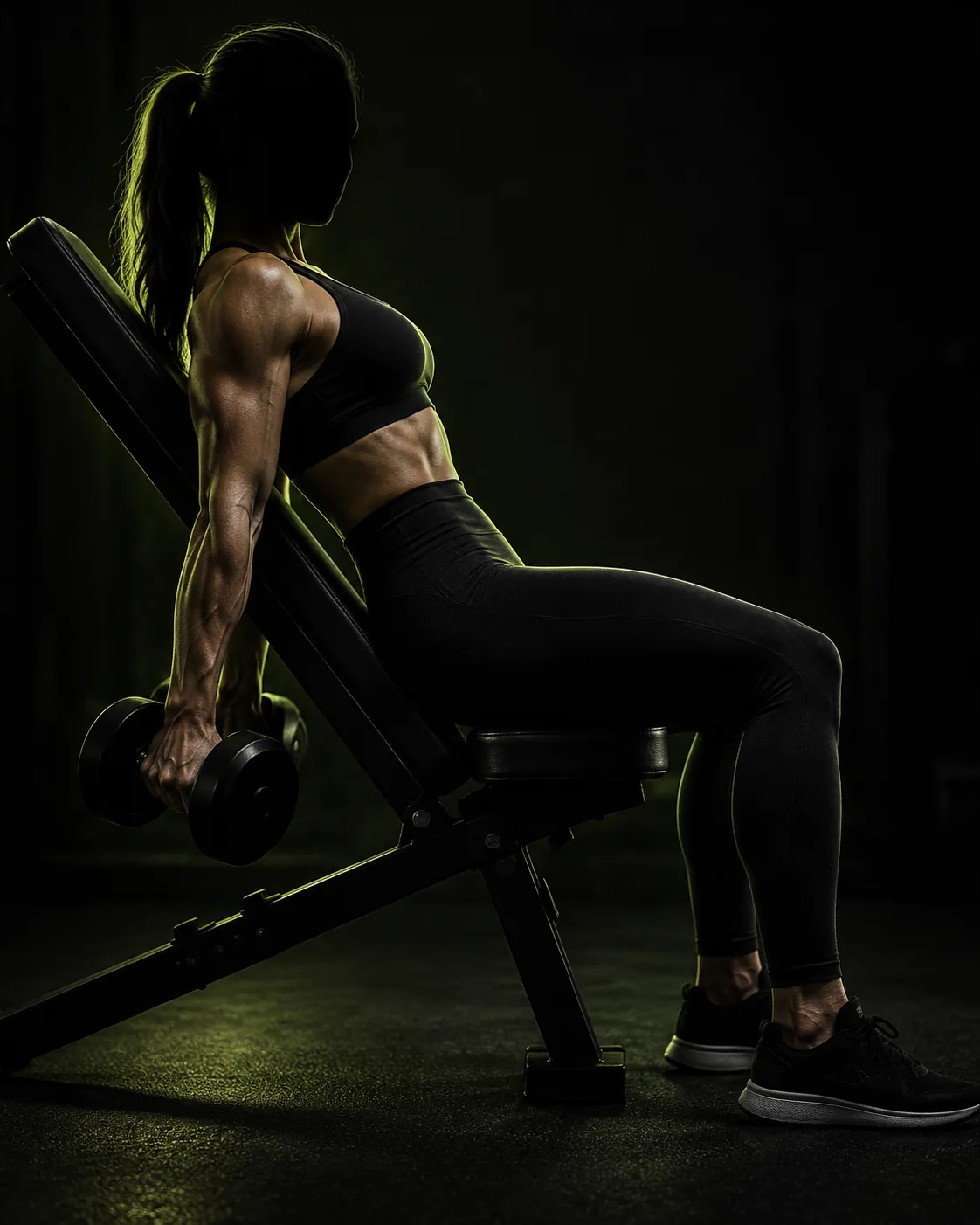
Set a bench to about 45 degrees, sit back, and let your arms hang behind your torso. That starting position stretches the long head of the biceps, and training a muscle long - under tension in the stretched position - is strongly linked to better growth. Keep the weight light; this exercise punishes ego more than any other curl. Curl without moving the upper arm, squeeze, lower all the way. If your shoulders ache at the bottom, raise the bench angle.
3. Hammer curl - best for arm thickness
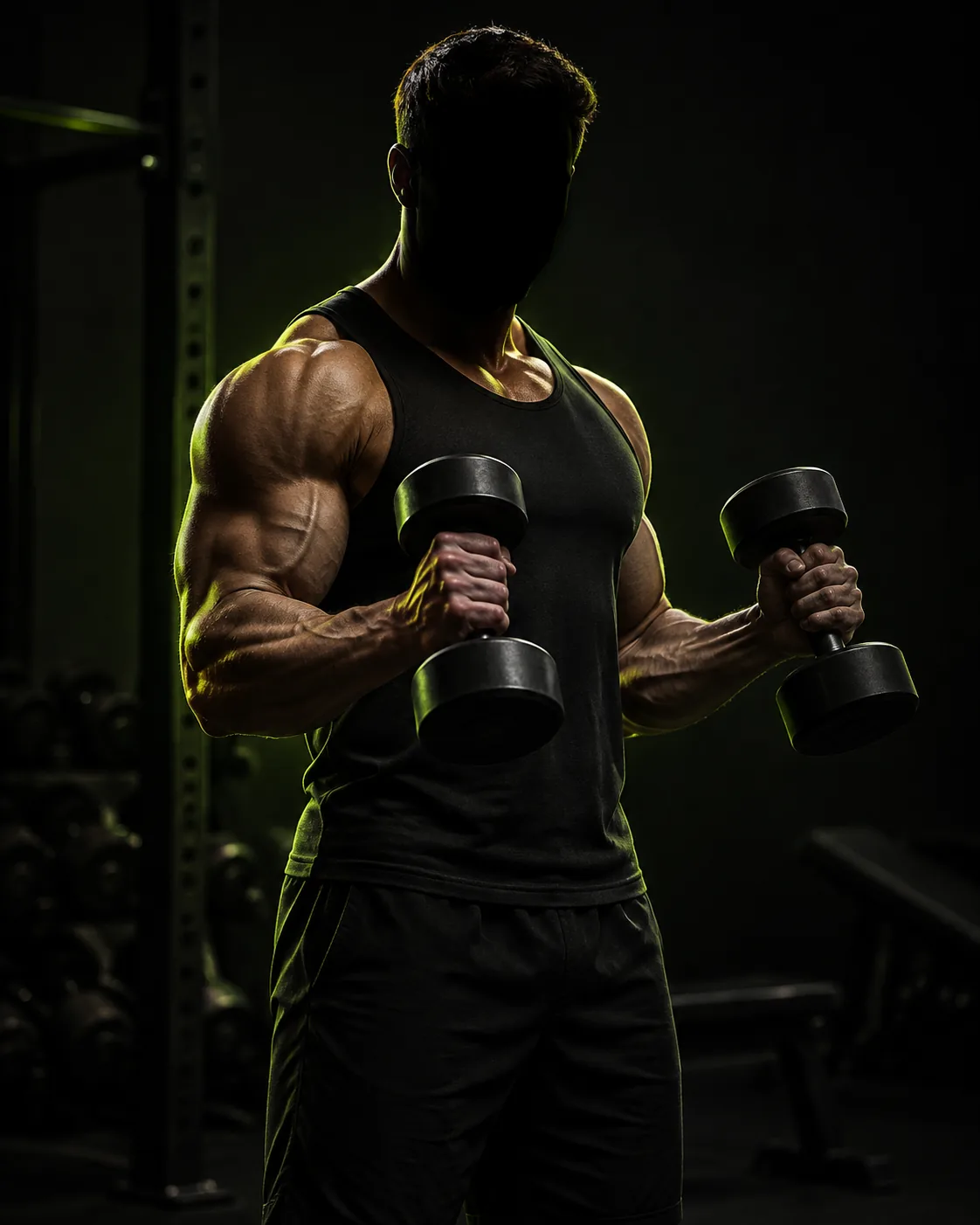
Neutral grip, palms facing each other. The hammer curl shifts work to the brachialis, the muscle under the biceps, and the brachioradialis along the forearm. A bigger brachialis pushes the biceps up and makes the whole arm look thicker from the front and side. Curl both dumbbells together or alternate - together is stricter. Keep wrists locked; bending them steals tension into the forearm flexors.
4. Preacher curl - best for strict form
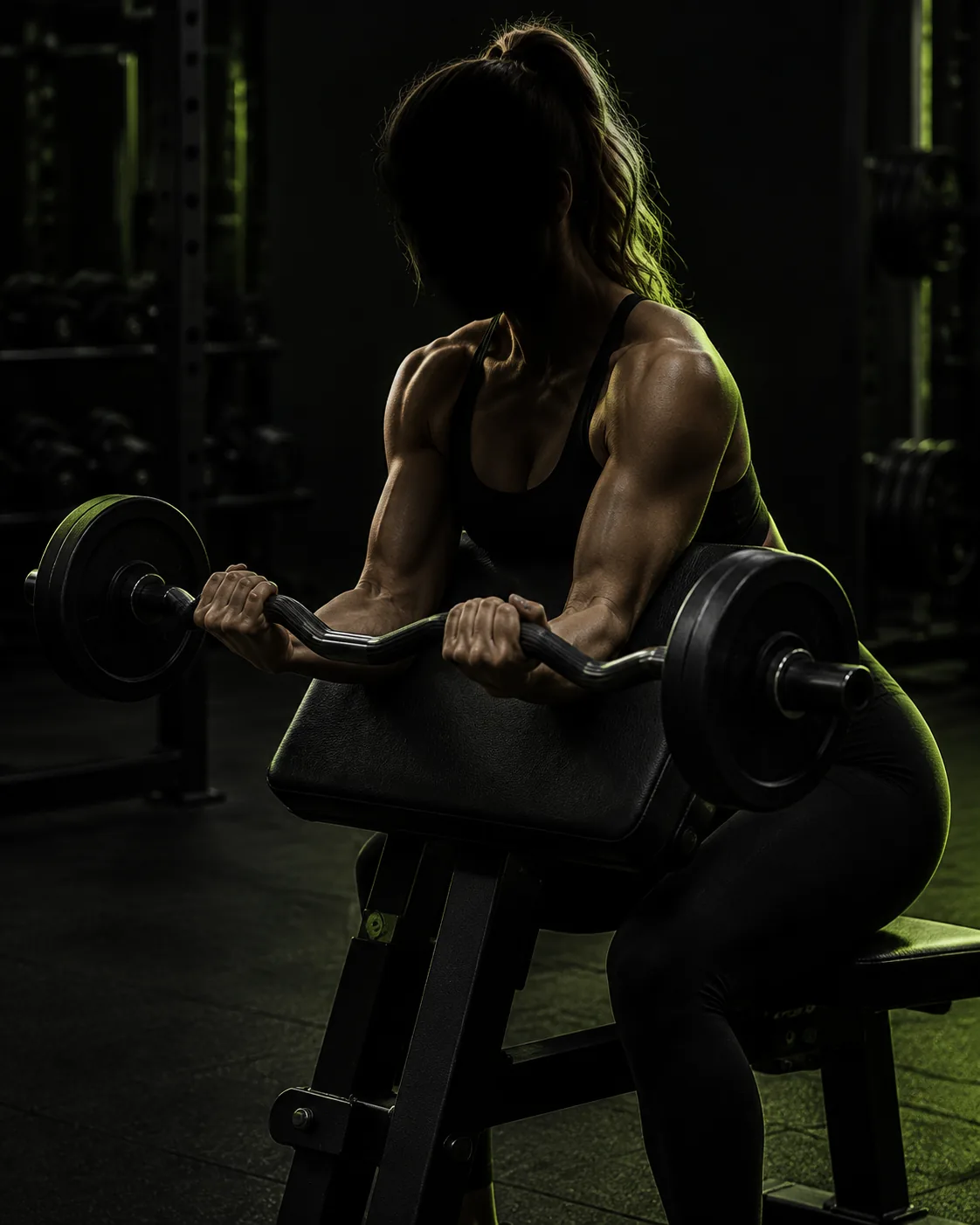
Upper arms braced against the preacher pad, there is no way to swing and no way to rest at the bottom. The preacher curl fixes the two biggest curl cheats - momentum and half reps - by removing your body from the equation. Use an EZ bar if the straight bar bothers your wrists. Lower until just before the elbows lock; the bottom position is the risky one for the biceps tendon, so control it rather than bouncing out of it.

5. Cable curl - best for constant tension
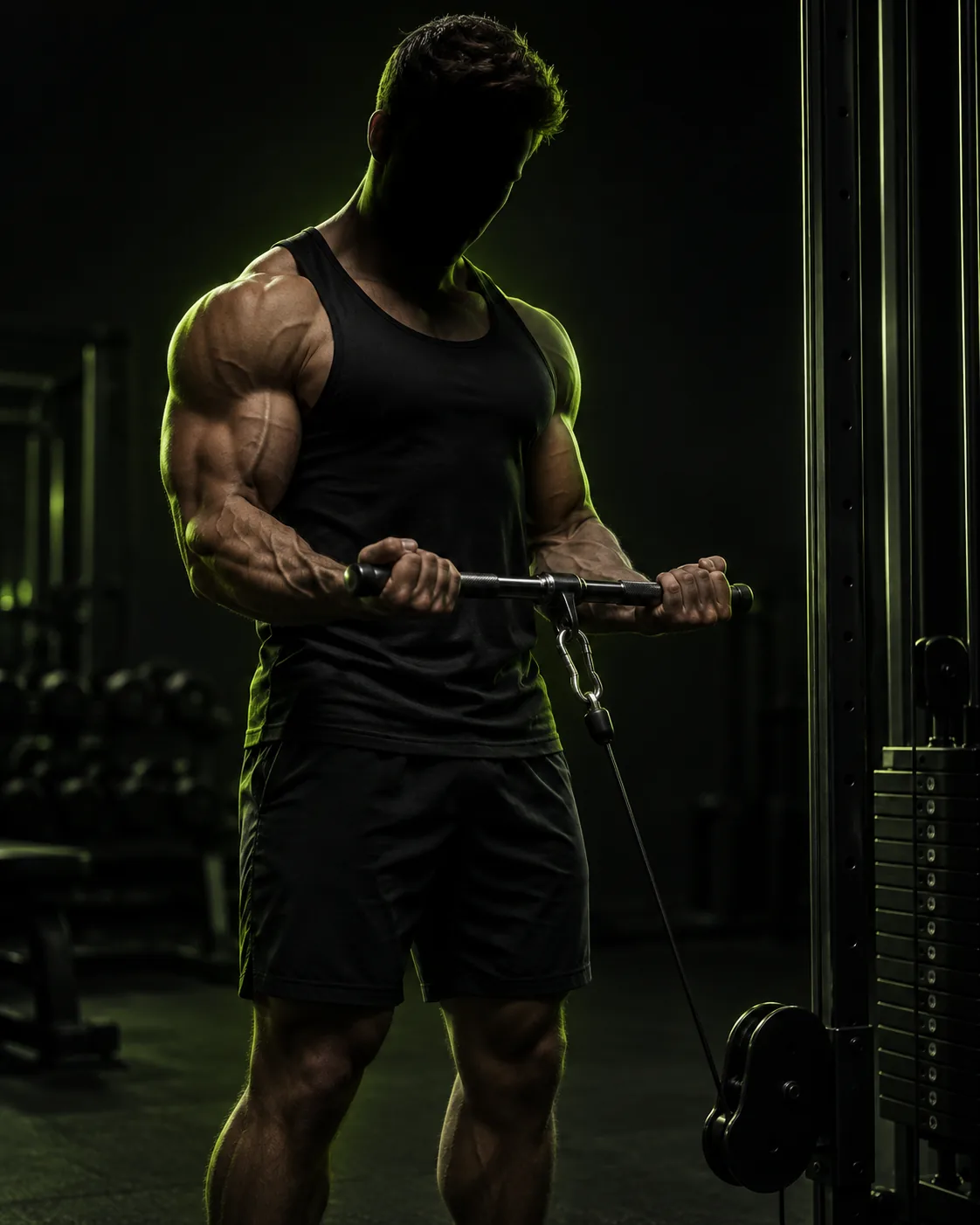
A cable keeps the same pull on the muscle from the first inch to the last, where free weights go easy at the top and bottom. That makes the cable curl the best finisher: after your heavy work, two or three sets of 12-15 smooth reps here floods the muscle without beating up your elbows. Use a straight bar or rope on the low pulley, step back half a step, and keep the same pinned-elbow rules as every other curl.
6. Concentration curl - best for the mind-muscle connection
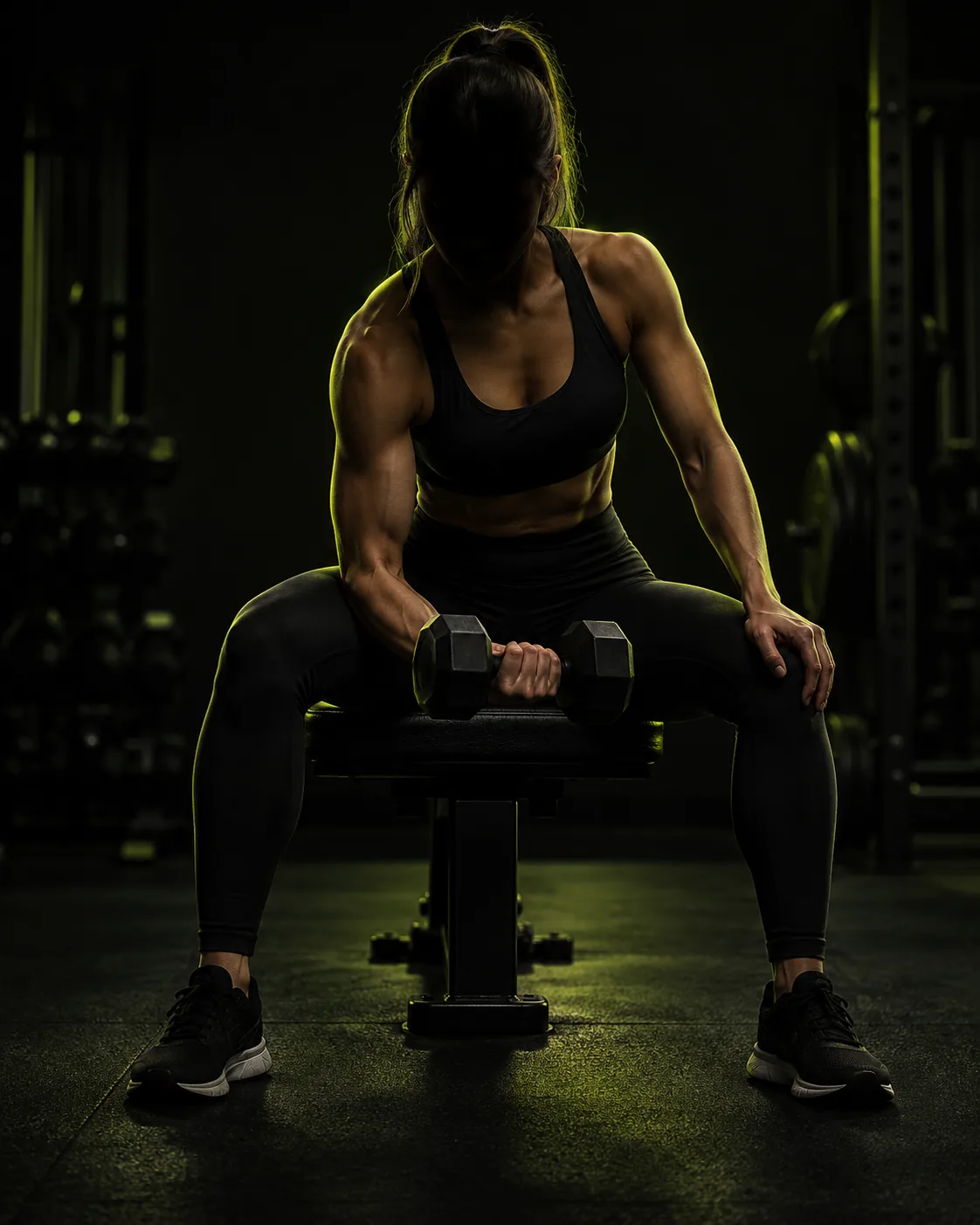
Seated, elbow braced against the inner thigh, one dumbbell. Nothing else moves, so everything you feel is biceps. Research on muscle activation regularly puts the concentration curl at or near the top for biceps involvement precisely because every other muscle is taken out. Use it as a learning tool: if you cannot feel your biceps work here, the problem is your technique everywhere else. Slow reps, full squeeze at the top.
7. EZ-bar curl - best for wrist comfort
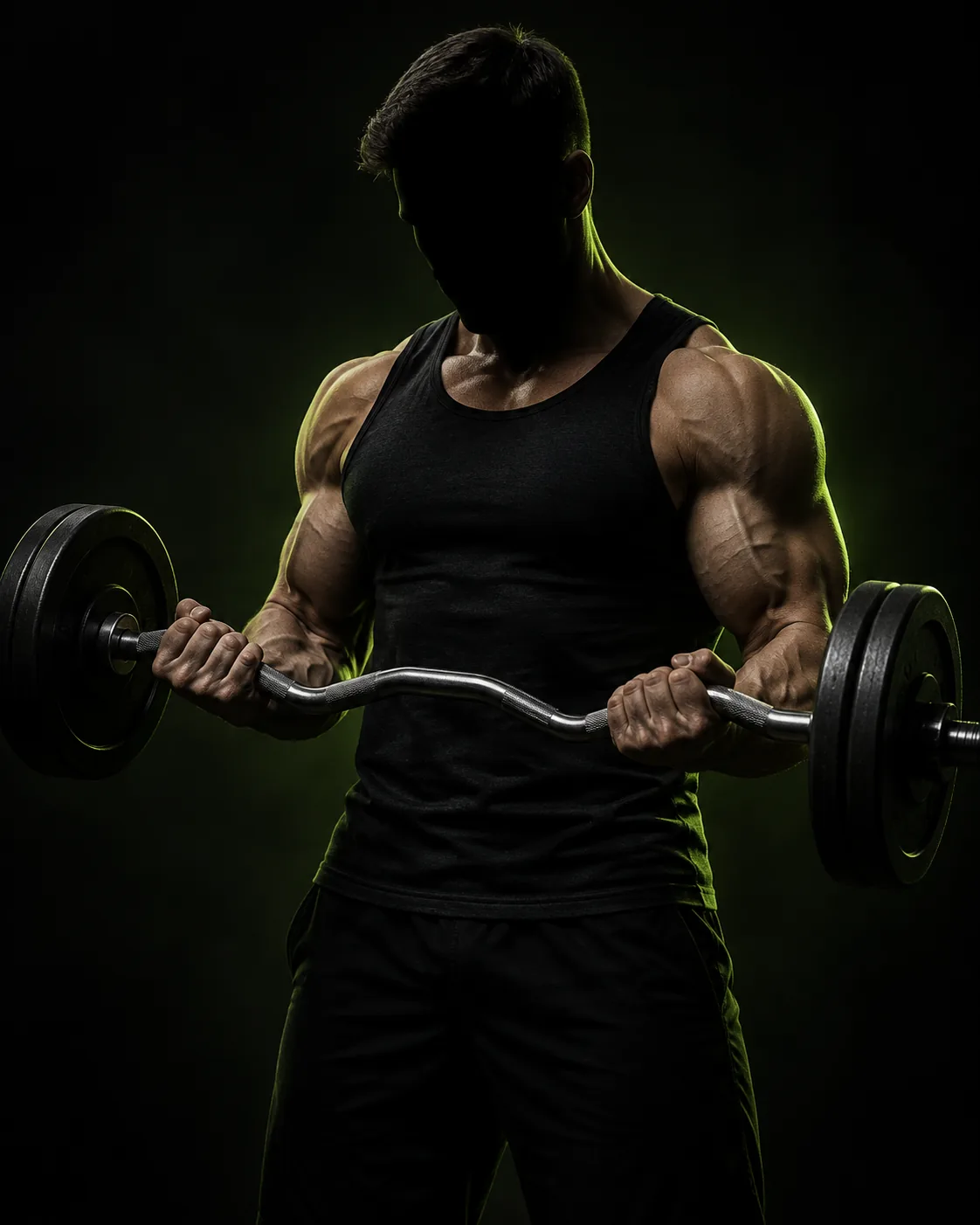
The angled grips of an EZ bar put your wrists halfway between a barbell curl and a hammer curl, which many lifters find far friendlier on the wrists and elbows than a straight bar. If straight-bar curls hurt, this is not a compromise - it is the fix. Same rules as the barbell curl: pinned elbows, full range, controlled lowering. The narrow grip biases the long head, the wide grip the short head; use both across the week.
8. Chin-up - best bodyweight option
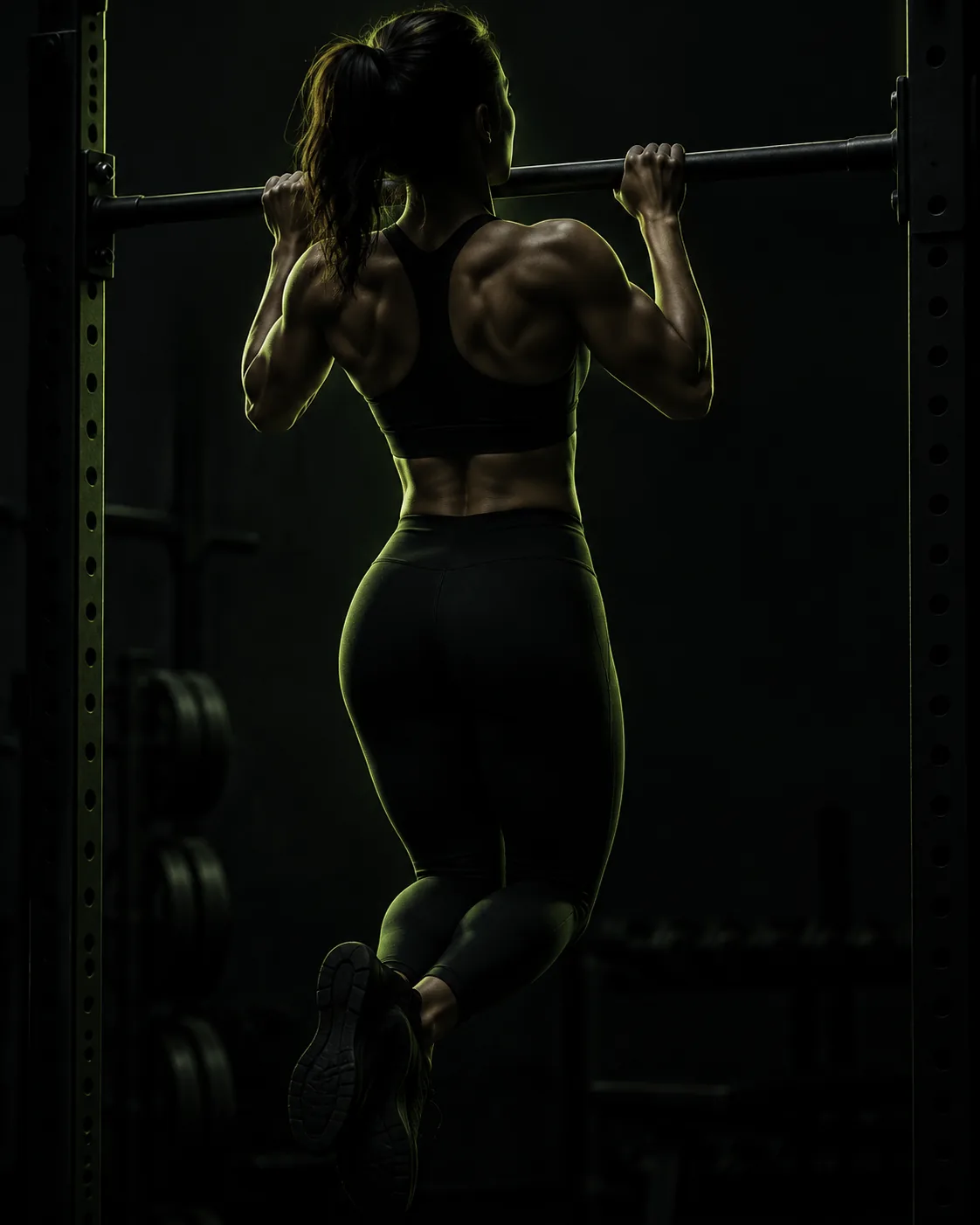
Underhand grip, shoulder width, pull your chest to the bar. The chin-up trains the biceps together with the back through a big range, and for many beginners it is the hardest biceps movement they own. If you cannot do one yet, use a band or the assisted machine; if you can do ten clean, add weight with a belt or a backpack. It will not replace curls for direct work, but no bodyweight move comes closer.
9. Zottman curl - best for biceps and forearms together
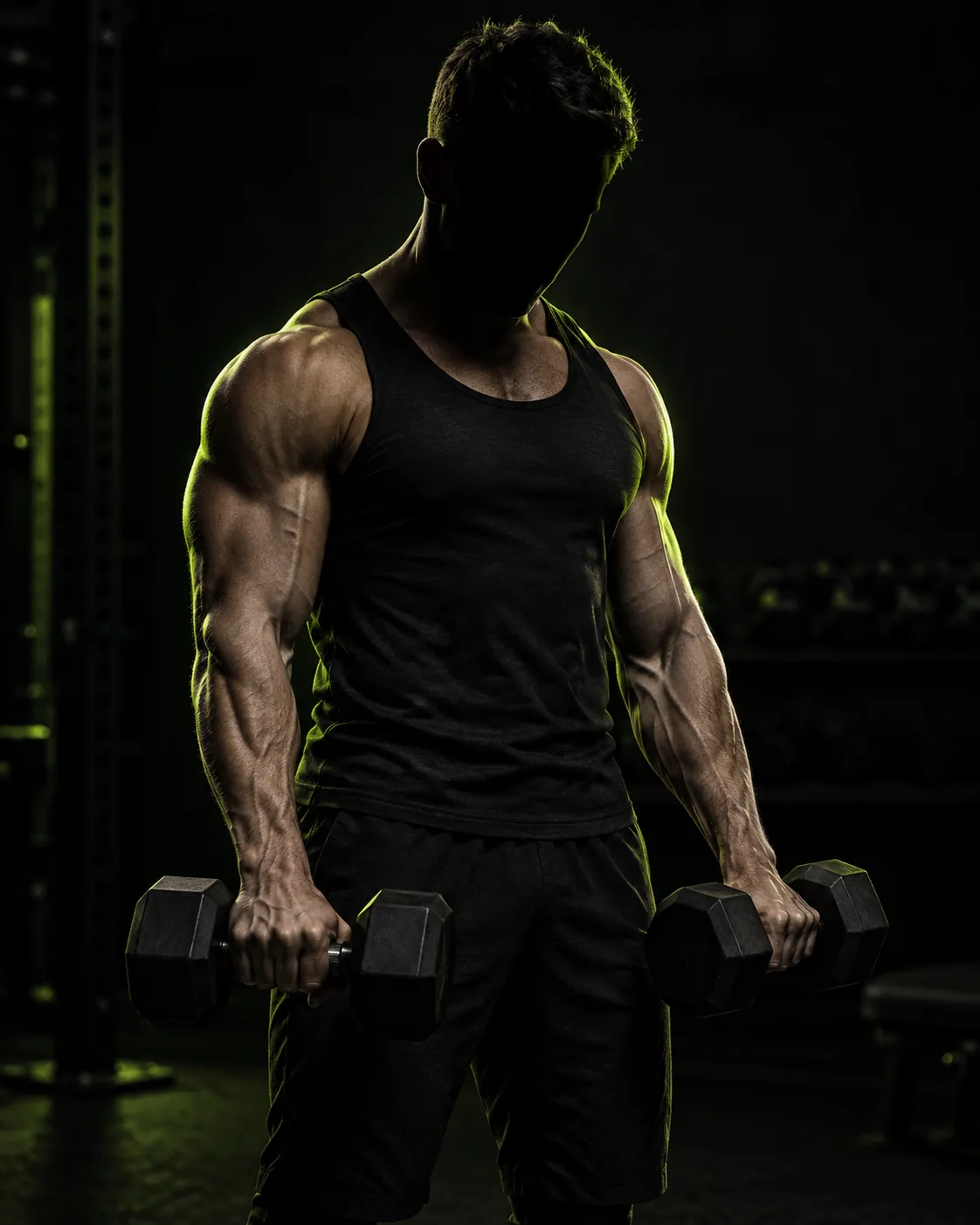
Curl up with palms facing forward, rotate at the top, and lower with palms facing down. The way up is a standard curl; the slow way down overloads the forearms and the brachioradialis. One exercise, two training effects - useful when time is short. Go lighter than your normal dumbbell curl; the lowering half is where the work happens and where sloppy form shows first.
10. Spider curl - best for killing the swing
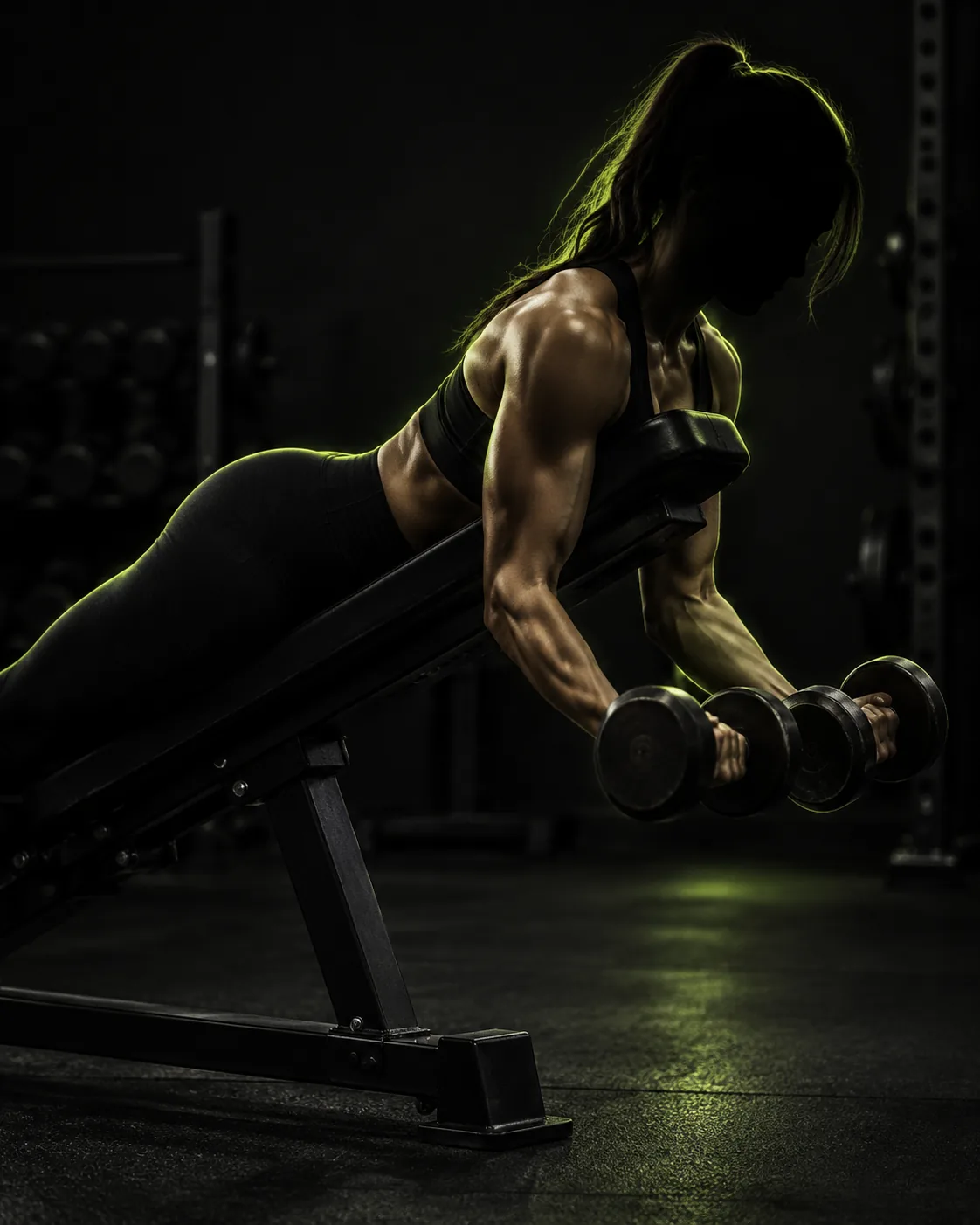
Lie chest-down on an incline bench, arms hanging straight down, and curl. With your torso supported and your elbows in front of your body, swinging is physically impossible and the short head of the biceps works through its shortest, hardest range. Light dumbbells or an EZ bar, 10-15 strict reps. Humbling, and that is the point.
The comparison table
| Exercise | Best for | Equipment | Difficulty |
|---|---|---|---|
| Barbell curl | Overall growth | Barbell | Beginner-friendly |
| Incline dumbbell curl | Stretch, long head | Bench + dumbbells | Intermediate |
| Hammer curl | Thickness, forearms | Dumbbells | Beginner-friendly |
| Preacher curl | Strict form | Preacher bench | Beginner-friendly |
| Cable curl | Constant tension | Cable station | Beginner-friendly |
| Concentration curl | Mind-muscle connection | Dumbbell | Intermediate |
| EZ-bar curl | Wrist comfort | EZ bar | Beginner-friendly |
| Chin-up | Bodyweight strength | Pull-up bar | Advanced |
| Zottman curl | Biceps + forearms | Dumbbells | Intermediate |
| Spider curl | No-swing strictness | Bench + dumbbells | Intermediate |
How to use this list
Pick one heavy movement (barbell or EZ-bar curl), one stretch movement (incline curl), and one thickness movement (hammer curl). Three to four working sets of each, twice a week, and add a little weight or a rep whenever you hit the top of your rep range. That is a complete biceps plan, and it fits inside any push-pull-legs or upper-lower split. If you want it as a ready routine with sets and reps, our five-exercise biceps routine is the short version, and the 4-day upper/lower split shows where arm work slots into a full week.
Frequently asked questions
How many biceps exercises do I need per workout?
Two to three. More exercises in one session does not mean more growth; it usually means every exercise is done worse. Spend your effort on fewer movements done strictly.
How often should I train biceps?
Twice a week suits most people. Remember that rows and pull-ups already load the biceps hard - count that before adding isolation work.
Why are my biceps not growing?
In order of likelihood: form that lets the shoulders steal the work, no progression over weeks, and not eating enough. Fix them in that order before changing exercises.
Should I curl heavy or light?
Both. One heavier movement in the 6-10 range and one or two lighter strict movements in the 10-15 range covers strength and fatigue without wrecking your elbows.
Are curls bad for the elbows?
Not with sensible loads, full control on the way down, and enough rest between sessions. Elbow pain that persists for weeks is a reason to see a doctor or physio, not to push through.
Dumbbells, barbell or cables - which is best?
None alone. The barbell loads most, dumbbells allow the stretch and fix imbalances, cables give constant tension. The top 10 above uses each where it is strongest.