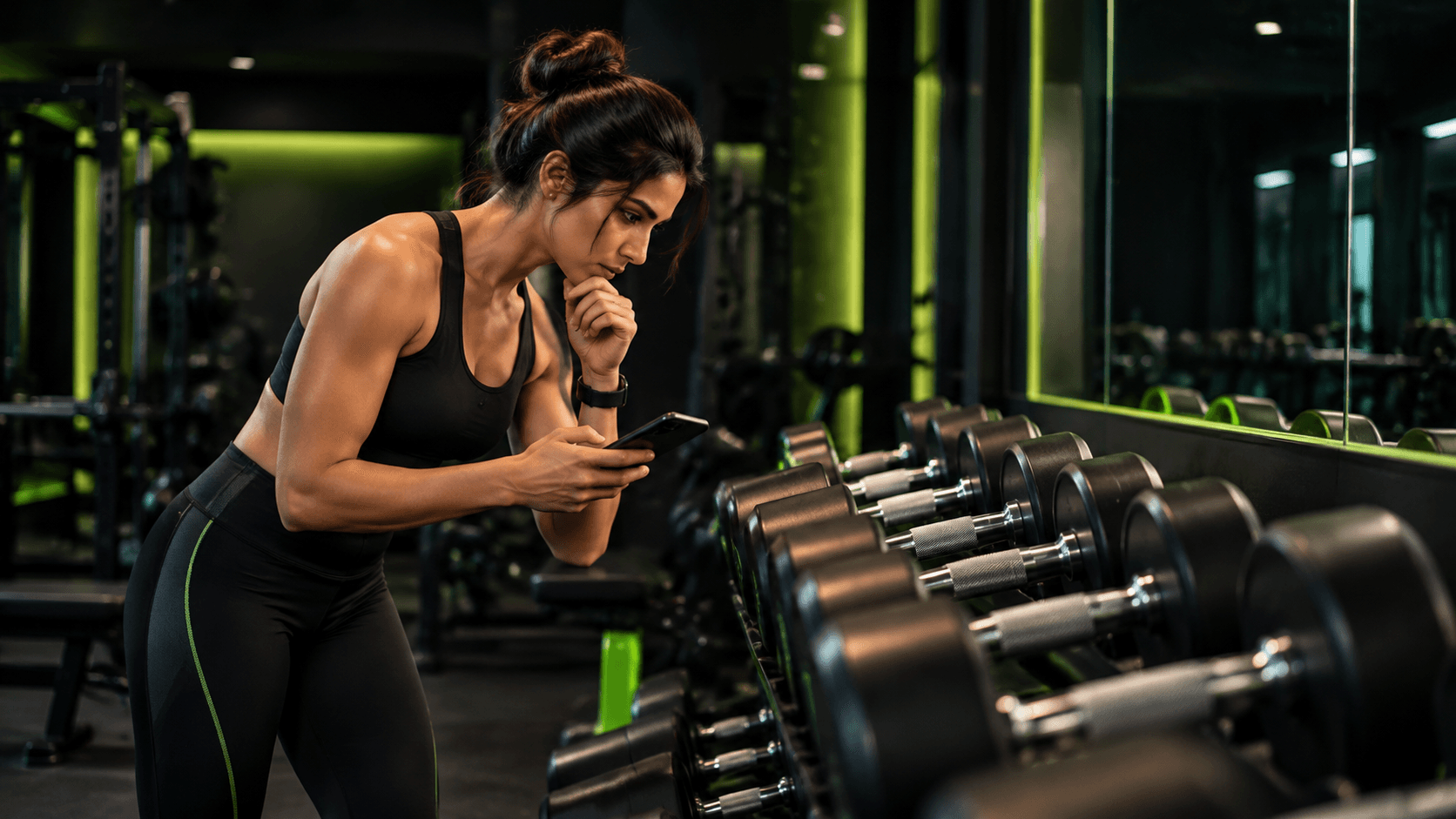
Walk onto any gym floor and you will see the same ritual: someone stares at the dumbbell rack, trying to remember what they lifted last time. Was it 12.5 kilos or 15? Three sets or four? They pick something, lift it, and move on. That small act of guessing, repeated across every exercise and every session, is why so many regular gym-goers look exactly the same a year later.
Stop Guessing Last Week's Weights
Training · 11 October 2026
Progress depends on remembering
Muscle and strength adapt when you ask slightly more of your body than last time. Coaches call it progressive overload, but the idea is simple: add a rep, add a little weight, or add a set, week over week. The catch is that "more than last time" only works if you know what last time was. If your memory of Tuesday's session is a blur, you are not progressing. You are just exercising.
Most people try to solve this with willpower. Some keep notes in their phone. A few carry a notebook. Almost all of them quit within weeks, because the system depends on remembering to write things down between sets, mid-workout, sweaty and tired.
Logging has to live where the workout lives
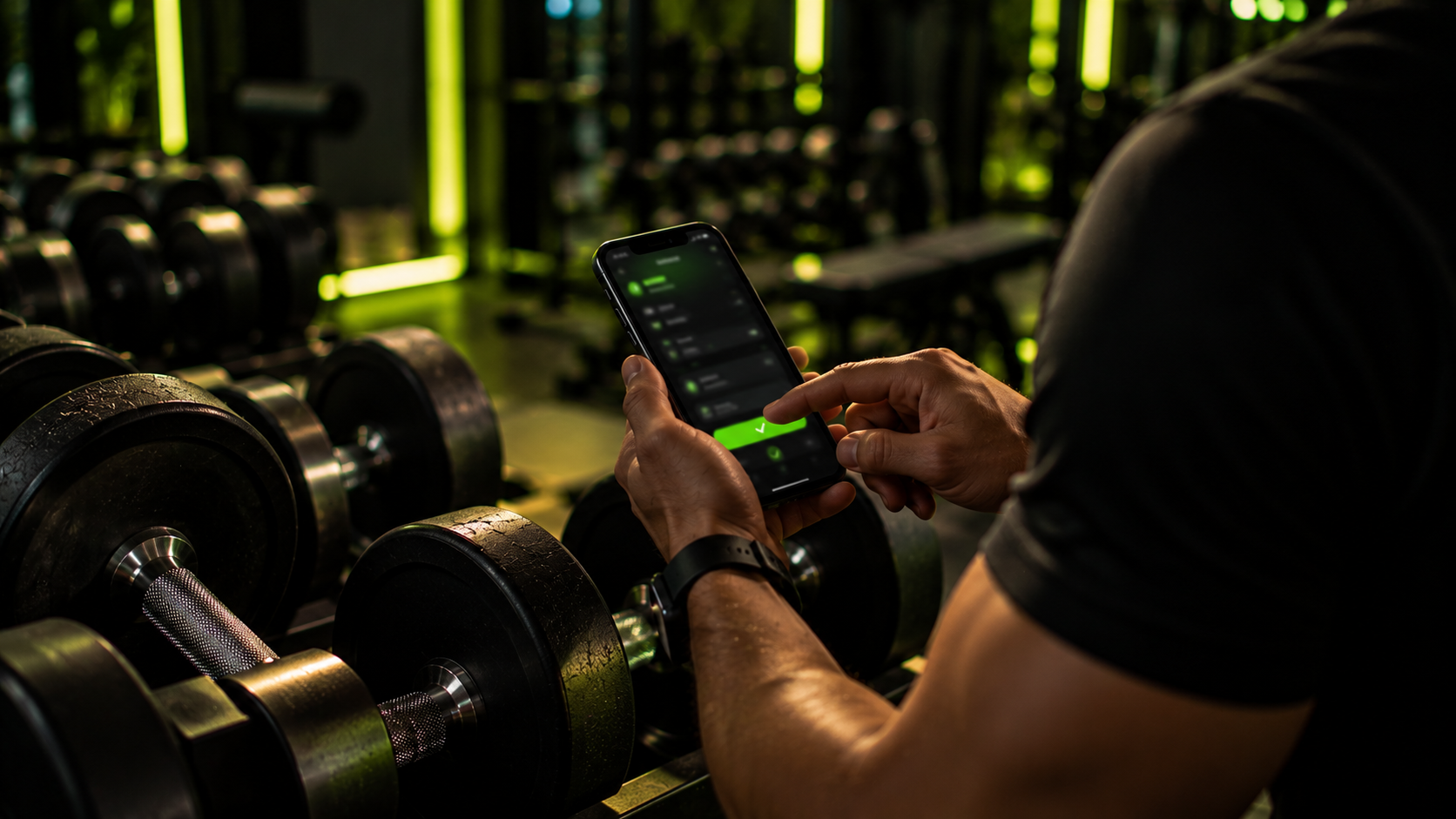
The fix is to make recording part of the workout itself, not a chore after it. In FitHit, your workout opens as a guided player on your phone. Each exercise shows your plan, and you log sets, reps and weight as you finish them, with a rest timer keeping you honest between sets. The act of logging takes seconds because the structure is already there: the exercise, the target, and your history on the same screen.
Because every set is saved against your Fitness ID, the next session starts with answers instead of guesses. You see exactly what you lifted last Tuesday, and the session before that. Adding one rep becomes a decision, not a coin flip.
Your record should outlive your gym
There is a second, quieter problem with gym-floor memory: even people who log well often lose it all. Paper cards stay at the front desk. A trainer's spreadsheet belongs to the trainer. Change gyms and your history resets to zero. FitHit stores your logs against your own portable Fitness ID, so the record belongs to you and travels with you, to a new gym, a new trainer, or a new city.

Start this week
If you do nothing else, record three things at your next session: exercise, weight, and reps. Within a month you will have something most gym members never build: proof of your own progress. FitHit is in early access with approval-based sign-up; apply on the homepage, and once approved your first workout can be logged the same day.
Frequently asked questions
How do I track my gym progress? Record every set: the exercise, weight and reps. Review the last session before you start the next one, and aim to beat it by a small amount. An app that logs sets as you go, like FitHit's workout player, makes this automatic.
What is the best way to remember my weights? Do not rely on memory. Log each set on your phone the moment you finish it. Paper gets lost and memory drifts within days.
Do I need a trainer to track progress? No. Solo logging works from day one. A trainer helps more when they can see your real history, which is exactly what FitHit shares when you invite one.