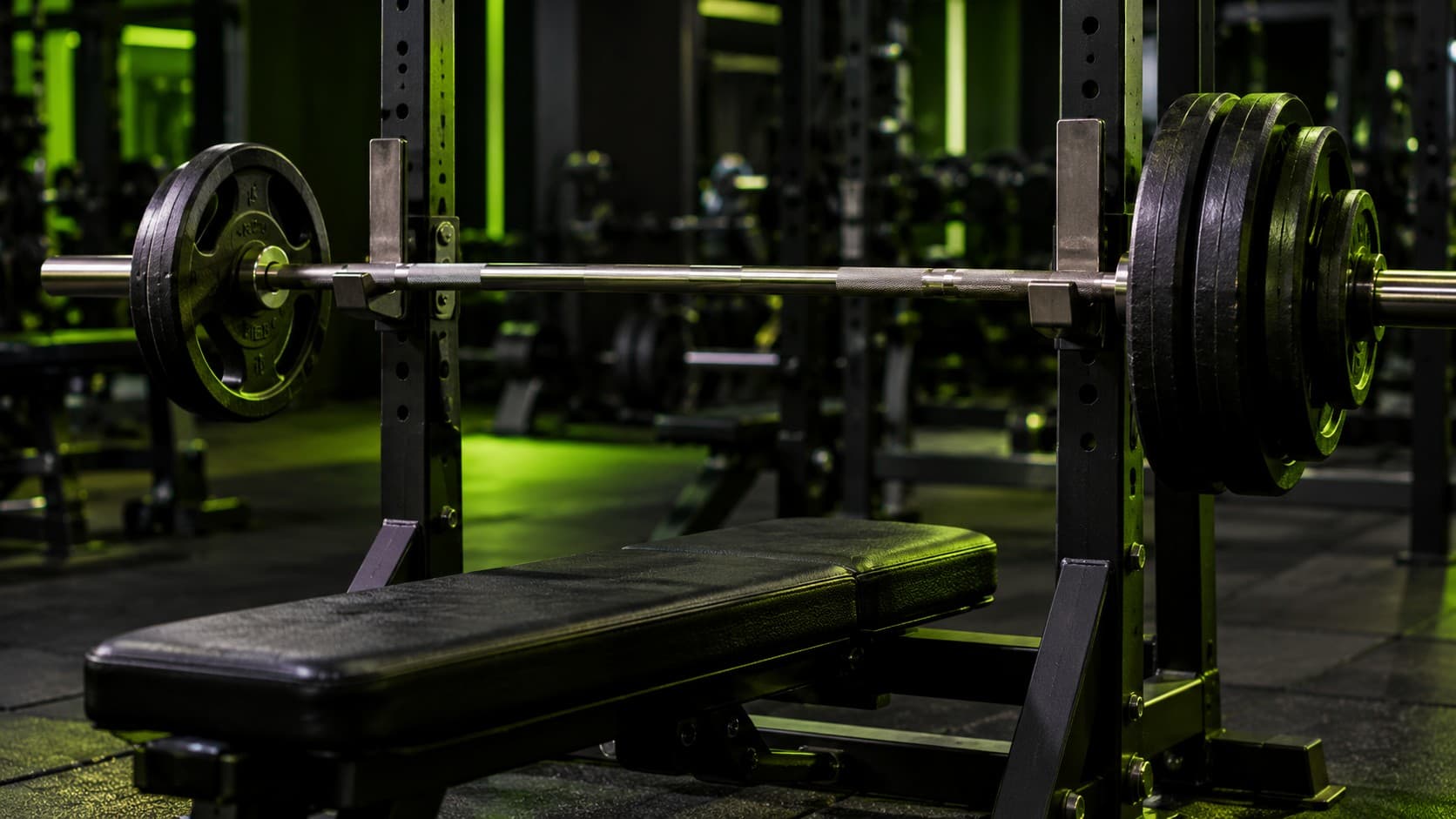
Strip away every program, split, and supplement, and one idea remains underneath every plan that works: progressive overload. Your body adapts to what you ask of it, so to keep changing, you must keep asking slightly more. Everything else in training is a delivery system for that one sentence.
Progressive overload without the jargon
Training · 8 October 2026

The one idea
When you lift a weight your body finds hard, it responds by building the muscle and strength to handle it next time. Once it has adapted, the same weight stops being a signal. That is why the first months of any routine work and then stall: the stimulus stayed the same while your body moved on. Progress is not about finding a perfect workout. It is about making a decent workout slightly harder, on purpose, forever.
Five ways to apply it
- Add weight. The classic. Small jumps, even a kilo or two, count.
- Add reps. Same weight, one more rep than last time.
- Add sets. Three sets become four. Use sparingly; it costs recovery.
- Improve form. Same weight stricter and slower is genuinely more work for the muscle.
- Shorten rests. Same work in less time raises the demand. Useful for endurance goals, less so for pure strength.
Pick one lever per lift per week. Trying all five at once is how people burn out and conclude that tracking "does not work".
How fast to add weight
Slower than your ego wants. Upper-body lifts progress in small steps; adding 2.5 kilos to a press every week collapses within a month for most lifters. A rep-based approach is more durable: work in a range like 6 to 10, and only add weight when all your sets reach the top of the range. Some weeks you add nothing. Holding a weight while your reps climb is still overload.

When progress stalls
A lift stuck for two or three sessions is normal. Stuck for a month is a message. Check the boring causes first: sleep, food, stress, and whether you actually trained consistently. Then change one variable, such as the rep range or the exercise variation, and rebuild. What does not work is maxing out every session to force progress; that tests strength instead of building it.
Do I need to progress every single session?
No. Progress is measured in weeks, not days. The goal is an upward line across a month, with flat days allowed along the way.
Does this apply to fat loss?
Yes, and it matters more. Keeping your logged weights stable or rising while dieting is how the weight you lose is fat rather than muscle.
Machines or free weights?
Both work, because the muscle only knows tension. Free weights add balance and coordination demands; machines make adding small, safe increments easier. Progress either and you are doing it right.