Quick answer: Replace the role of the exercise, not just the machine. Match the movement goal, available support and your skill, then use a fresh trial load rather than copying the old weight.
How to Choose Your Next Exercise When a Machine Is Busy
Training · 26 October 2026
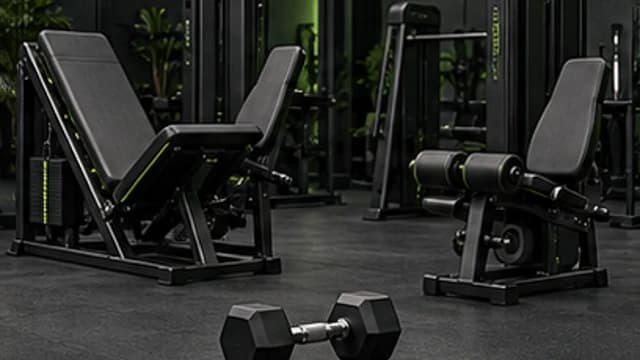
Ask what the original exercise was for
Was it a horizontal press, a vertical pull, a knee-dominant leg movement or an accessory? A nearby machine is not necessarily a useful replacement. If the goal is practising a specific competition lift, an alternative can train related muscles without replacing that exact skill practice.
Useful substitutions and tradeoffs
- A chest-press machine can cover a pressing role while a bench is busy, but setup and load are different.
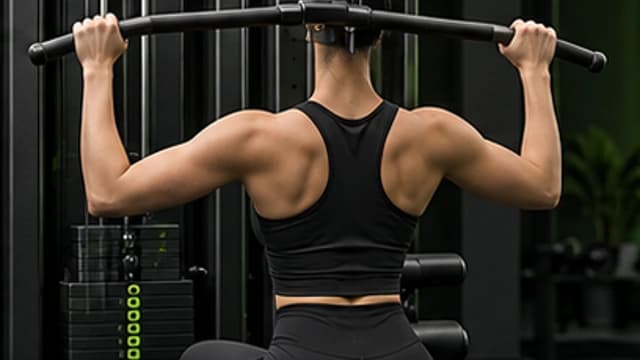
- A lat pulldown can cover vertical pulling when a pull-up station is unavailable; it is not the same body-weight task.
- A chest-supported row can replace some rowing work while reducing the trunk-holding demand of an unsupported row.
- A goblet squat can provide squat-pattern work when a rack is occupied, but available loading may differ.
- A leg curl trains knee flexion; it is not a direct replacement for every hip hinge.
Use a three-step switch
- Choose a familiar movement with a similar role and no new discomfort.
- Learn or check its setup, then try a light set.
- Record the actual variation, resistance and repetitions instead of claiming the original exercise was completed.
Do not force equivalence
The same marked load does not mean the same difficulty across machines, cables and free weights. Range, support and leverage can change the task. Start conservatively and use your control and effort to select the next set. If you cannot find an appropriate substitute, skip an accessory or ask staff rather than adding random work.
Reorder when substitution is unnecessary
You may be able to do another planned movement first, provided the order does not compromise a priority lift or make the later setup unsafe. Ask how long the station is needed and consider working in if adjustments are simple. Do not claim several machines at once to prevent another delay.
Keep a short backup list
Write one familiar alternative beside the movements most often blocked. ACSM's guidance supports individualisation and does not make one equipment type universally essential. A plan that survives a busy gym can be easier to maintain than a perfect sequence that depends on every station being free.

Questions people ask
Should I use the same kilograms after switching?
No. Start with a light trial and record the new exercise separately.
Is skipping one accessory a failed workout?
No. Completing the important work with control is better than adding an unsuitable replacement.
Sources and scope
This is general education for adults, not a diagnosis or an individual training prescription. Exercise choices and examples are editorial applications of the sources below, not a scientifically ranked list. Seek qualified instruction for unfamiliar equipment; get medical advice for symptoms, injuries or health conditions that affect exercise.
- ACSM: Updated resistance training guidelines (2026)
- NHS: Strength and flexibility