Quick answer: Choose one or two triceps movements that fit your equipment and joints. A pushdown and an overhead extension can offer different positions; compound presses already contribute arm work. You do not need all ten in one workout.
Best 10 Triceps Exercises for Your Next Arm Workout
Training · 26 October 2026
How to use this guide
Choose a few exercises that fit an existing plan. Keep the first trial light, learn the setup and use a comfortable controlled range. These are general adult training options, not an injury rehabilitation prescription. Stop for pain or unusual symptoms and seek suitable advice.
The exercise menu
Here, "best" means useful options with distinct roles, not a research-proven ranking. Selection depends on your goal, ability, available instruction and a comfortable movement. The ACE exercise library offers demonstrations; use qualified coaching for unfamiliar setups. ACSM's 2026 guidance stresses consistency and individualisation rather than one required tool.
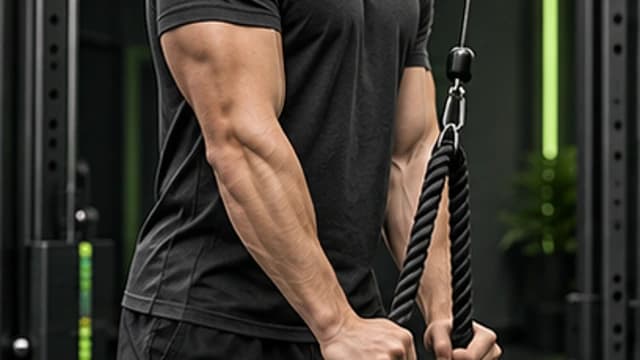
1. Rope Pushdown
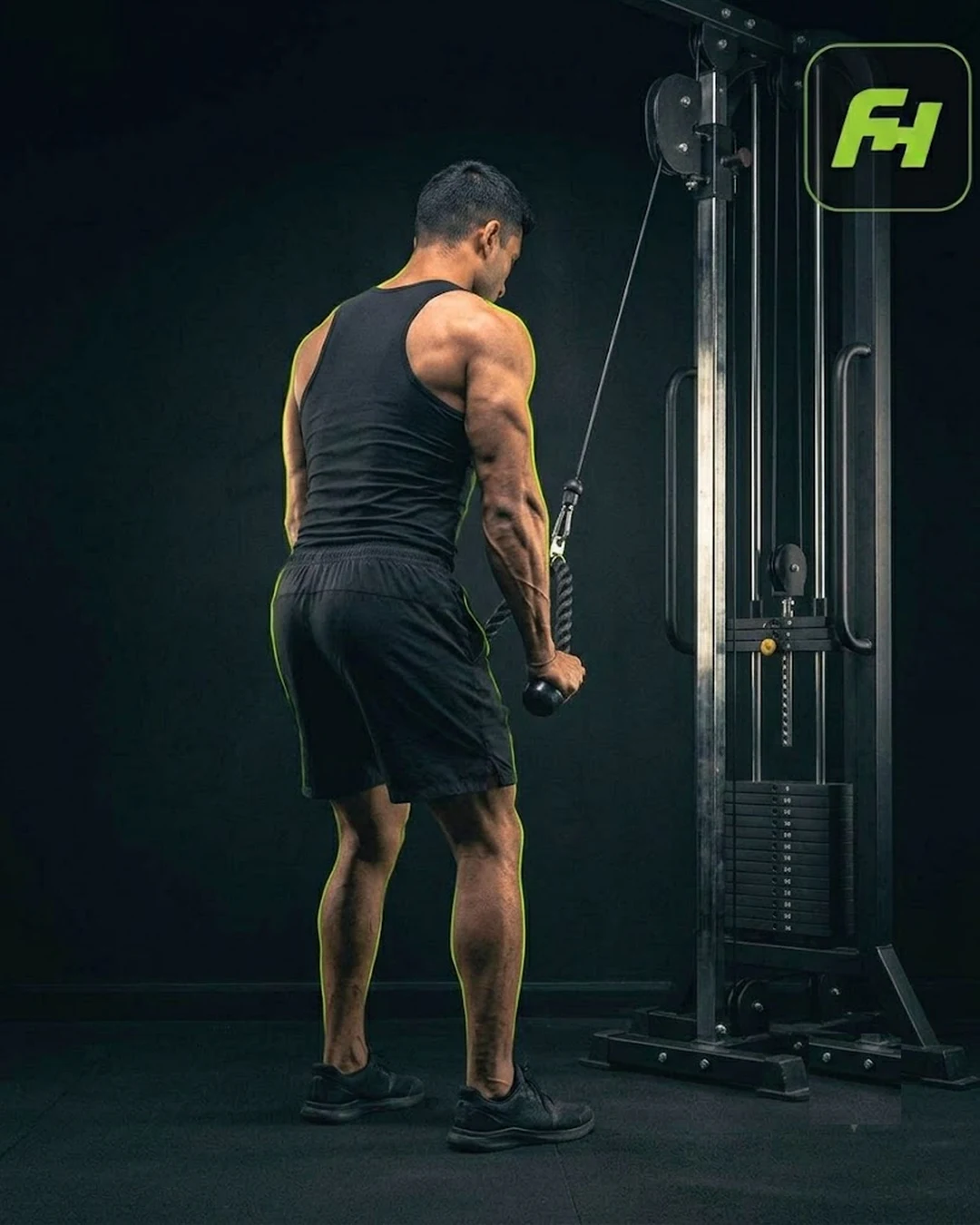
Role: Cable elbow extension. Use a high pulley and secure rope attachment. Keep your upper arms reasonably still and extend your elbows without leaning your body onto the handle.
Check: Choose a load you can return slowly; do not let the stack pull your shoulders up.
2. Tricep Pushdown
Role: Straight-handle alternative. Use the handle demonstrated by staff, stand securely and press down by extending the elbows.
Check: A heavier stack is not a reason to swing your trunk.
3. Single Arm Pushdown
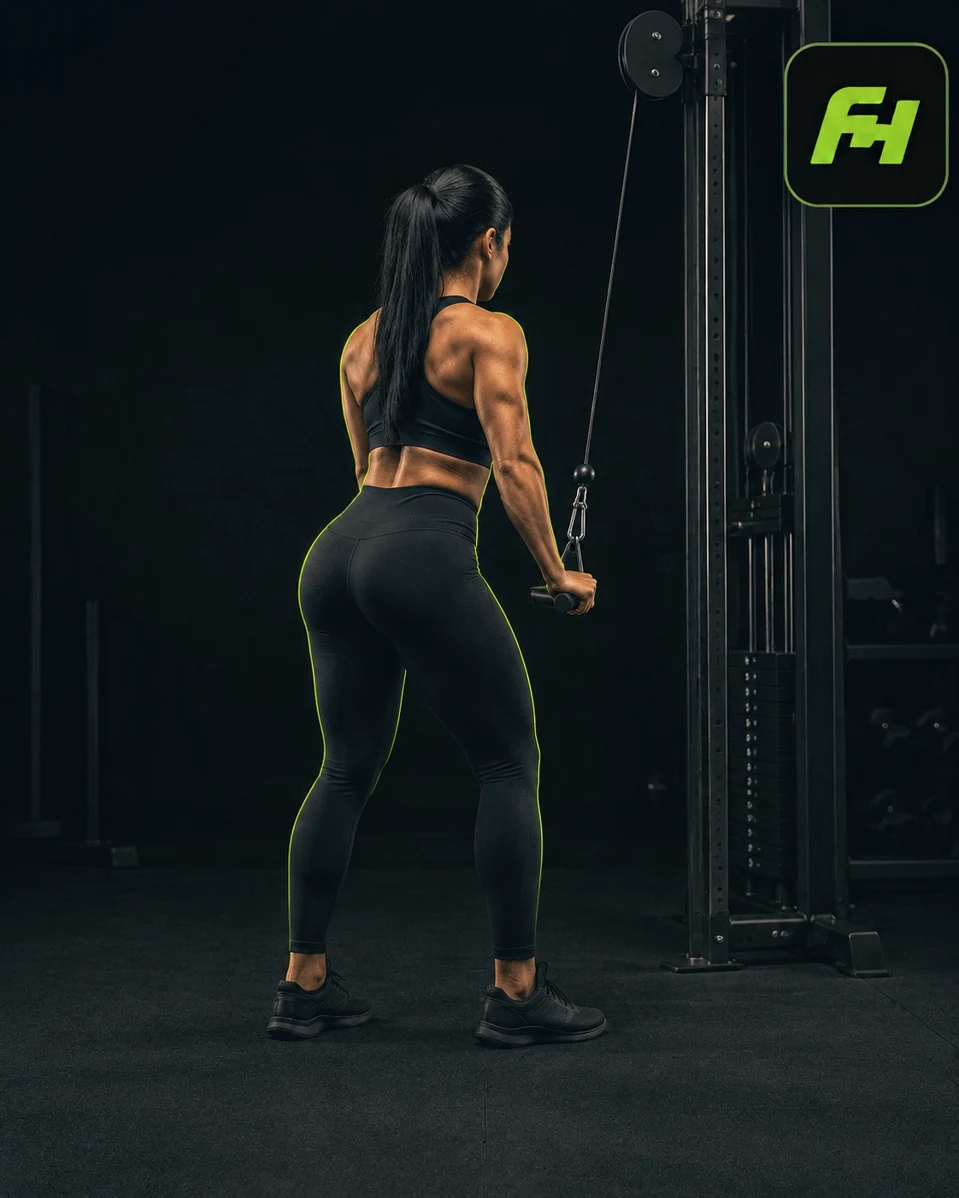
Role: One arm at a time. Use a suitable single handle and a stable stance. Finish each repetition without turning the movement into a shoulder swing.
Check: Use the same controlled range on both sides, without forcing a painful elbow position.
4. Overhead Tricep Extension
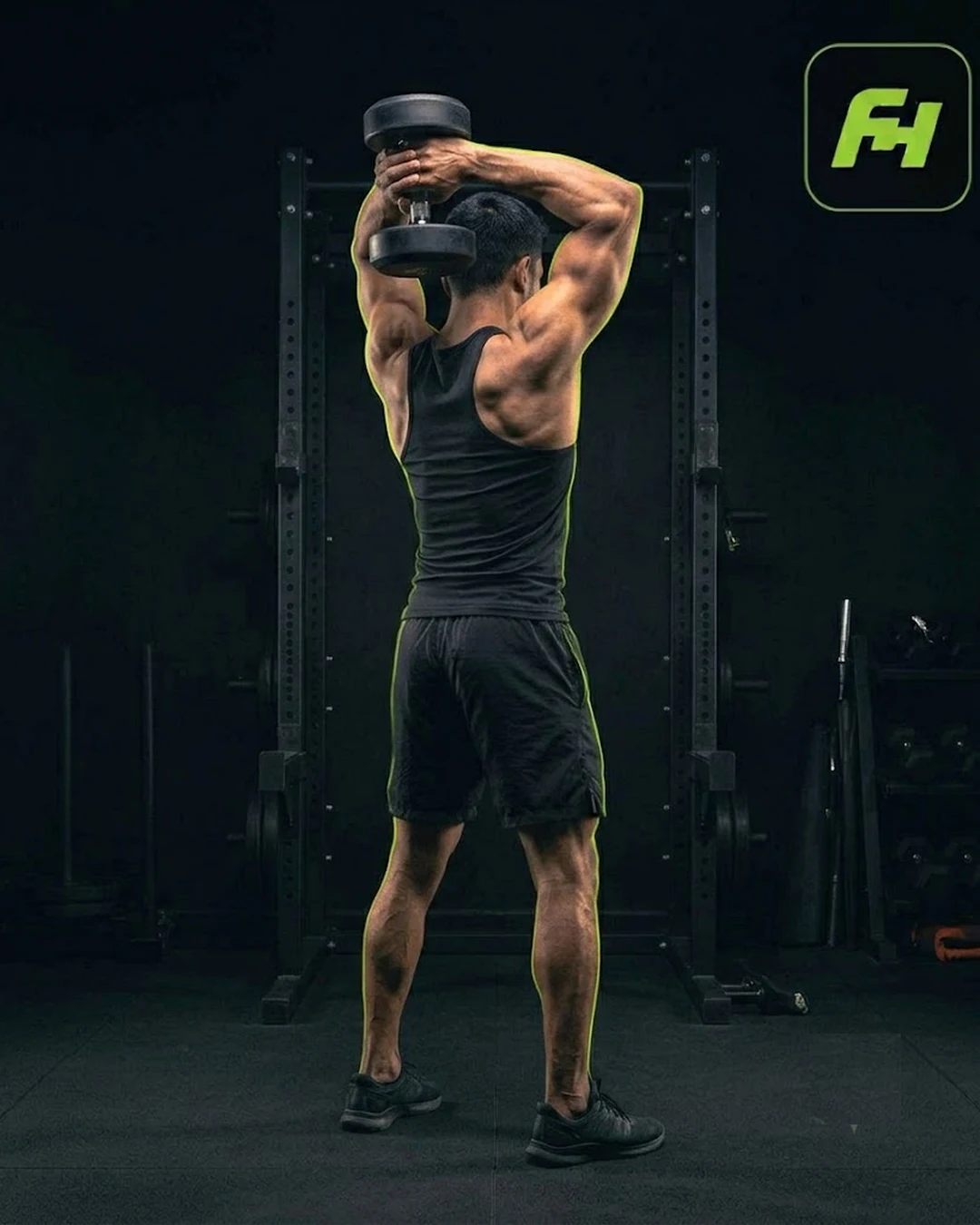
Role: Overhead elbow extension. Learn the specific dumbbell or cable setup before loading it. Keep a stable trunk as the elbows bend and straighten.
Check: Choose a comfortable shoulder position; this is not required if overhead work causes discomfort.
5. Skull Crushers
Role: Lying elbow extension. Use light resistance and a stable bench. Learn the lowering path and a safe way to start and finish with qualified instruction.
Check: The name is not a cue to lower weight onto your face. Do not improvise heavy attempts.
6. Kickbacks
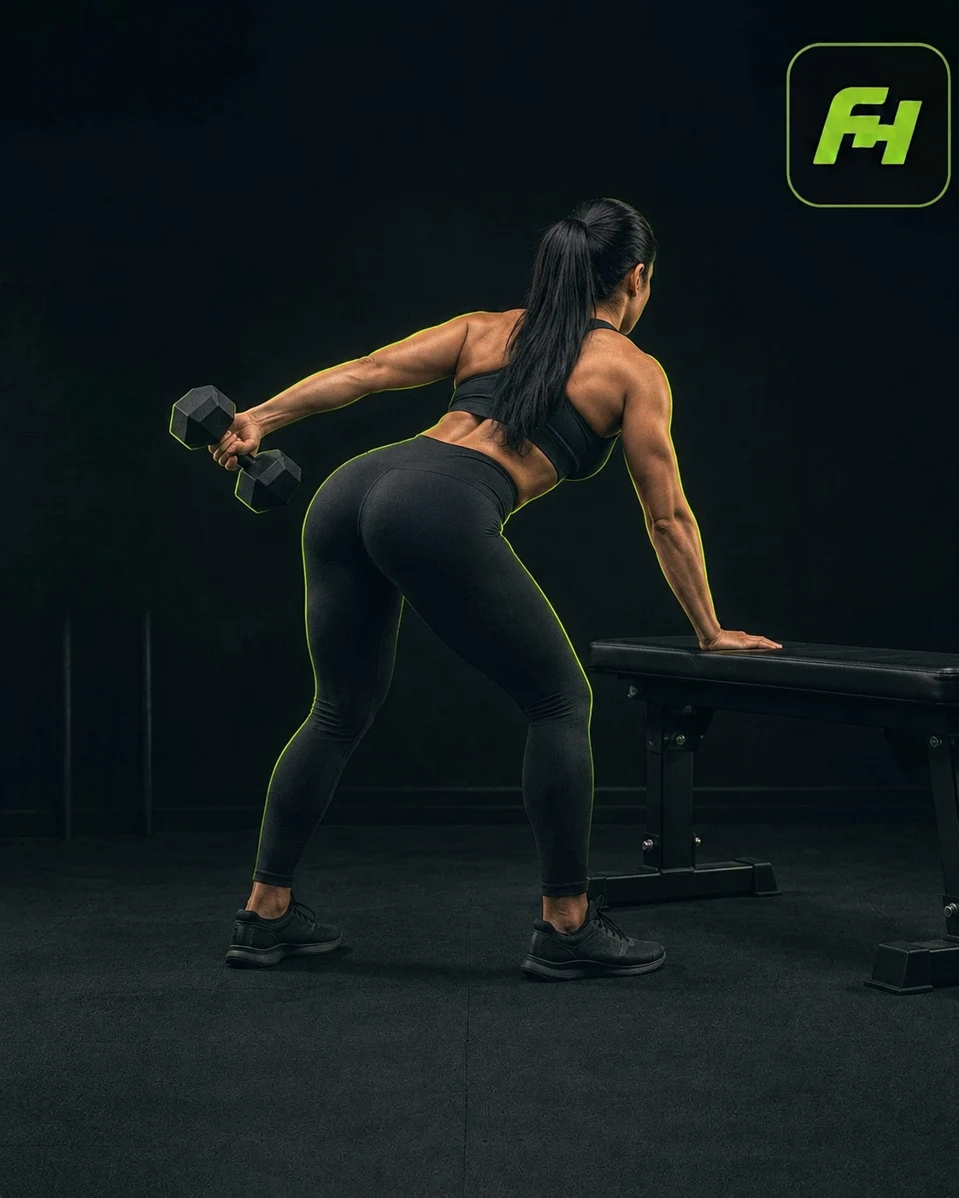
Role: Light dumbbell accessory. Support yourself securely, hinge comfortably and straighten the elbow without throwing the dumbbell backward.
Check: Control matters more than load; stop if your shoulder must swing to move it.
7. Close Grip Bench Press
Role: Compound press. Use a comfortably narrower grip, not hands forced together. Set the rack and safeties and learn the bar path.
Check: This also trains chest and shoulders. Use qualified spotting where required.
8. Diamond Push-Ups
Role: Body-weight close-hand press. Choose a comfortable close-hand position and an easier incline if needed. Keep the body moving together.
Check: You do not need a perfect diamond shape if it stresses your wrists.
9. Machine Tricep Extension
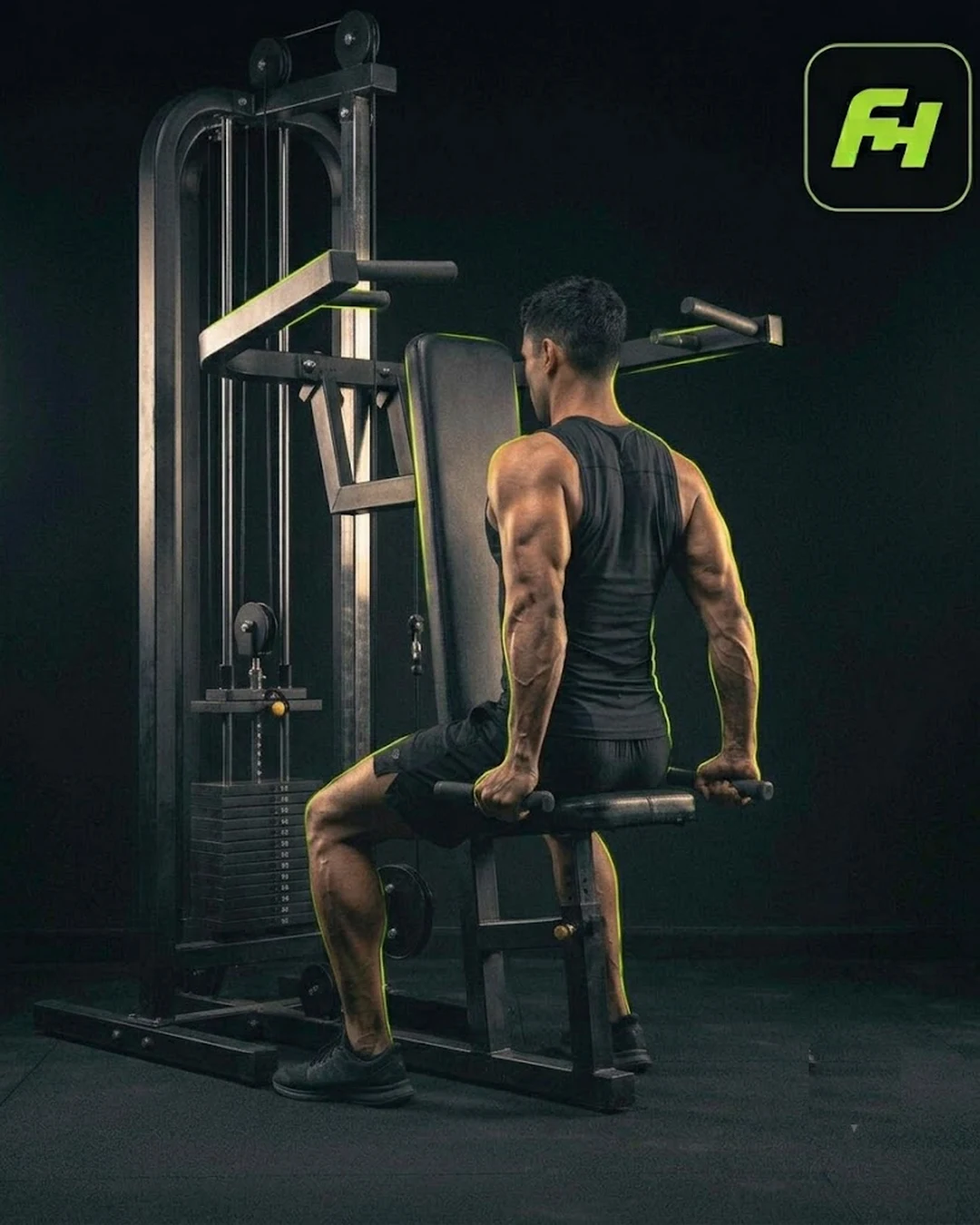
Role: Supported elbow extension. Adjust seat and pads using that machine's instructions, then test its path lightly.
Check: A fixed path must fit you; change machines if it forces an uncomfortable joint position.
10. Tricep Dips
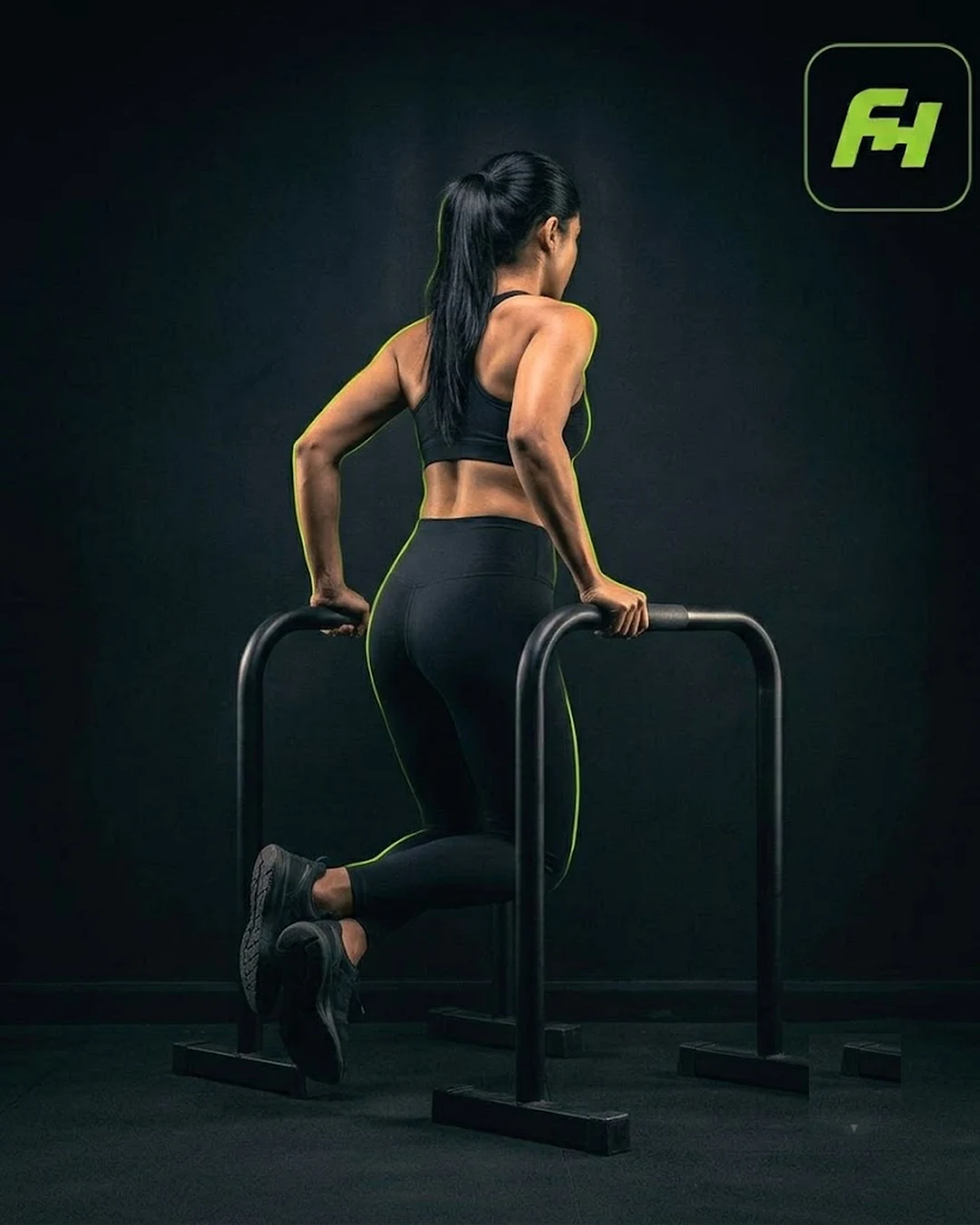
Role: More demanding compound option. Use a stable assisted setup if appropriate and learn the entry and exit. Lower only through a controlled comfortable range.
Check: Not a compulsory beginner move. Avoid deep ranges that produce shoulder pain.
Build a smaller arm session
After your main pressing, choose a pushdown and, if comfortable, one other elbow-extension position. An illustrative starting choice is one or two controlled sets of each, adjusted to the rest of your program. This is not a requirement to add twenty sets to an already demanding push day. If elbows are irritated, stop and get the exercise and workload checked.
Sets, effort and progression
The NHS gives eight to twelve repetitions as a general strength-training example and advises gradual progression. That is not a rigid range for every movement: holds, carries and skill practice use different measures. Start with a manageable amount, leave repetitions in reserve while learning and record the actual work. Add difficulty only when the setup and control are repeatable. You do not need momentary failure on every set.
The takeaway
Keep the movement, setup, load and repetitions comparable from one session to the next. If equipment is busy, substitute for the same role, then record the change instead of treating different weights as a direct comparison. A shorter repeatable routine is more useful than a long list you cannot perform well.
Questions people ask
Should I do every exercise in this list?
No. It is a menu of options. Pick a small selection that fits your whole week.
How do I know when to increase difficulty?
First repeat the intended range and technique with control. Then use a small suitable increase, with guidance when needed.

Sources and scope
This is general education for adults, not a diagnosis or an individual training prescription. Exercise choices and examples are editorial applications of the sources below, not a scientifically ranked list. Seek qualified instruction for unfamiliar equipment; get medical advice for symptoms, injuries or health conditions that affect exercise.