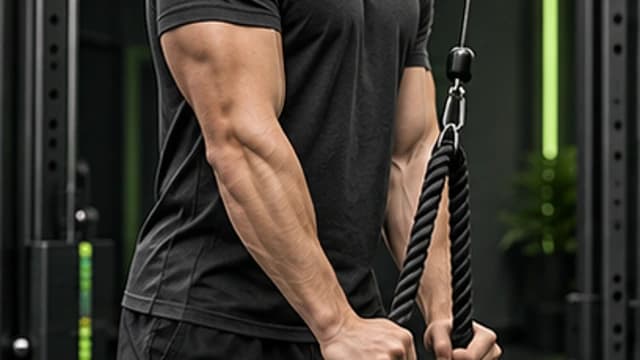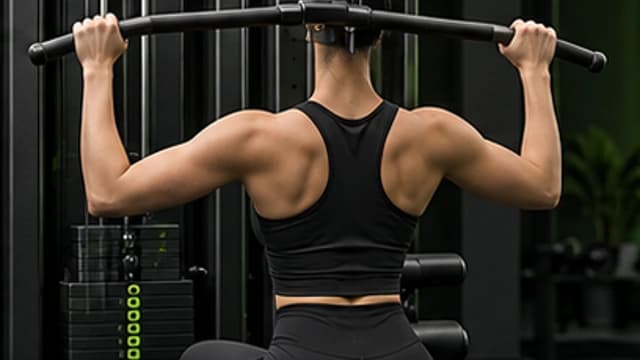
Quick answer: Lateral raises, rear-shoulder work and an appropriate angled press can complement an overhead press. Choose exercises for a clear role rather than adding every shoulder movement you know.
Best 8 Shoulder Exercises Beyond the Overhead Press
Training · 26 October 2026
How to use this guide
Choose a few exercises that fit an existing plan. Keep the first trial light, learn the setup and use a comfortable controlled range. These are general adult training options, not an injury rehabilitation prescription. Stop for pain or unusual symptoms and seek suitable advice.
The exercise menu
Here, "best" means useful options with distinct roles, not a research-proven ranking. Selection depends on your goal, ability, available instruction and a comfortable movement. The ACE exercise library offers demonstrations; use qualified coaching for unfamiliar setups. ACSM's 2026 guidance stresses consistency and individualisation rather than one required tool.
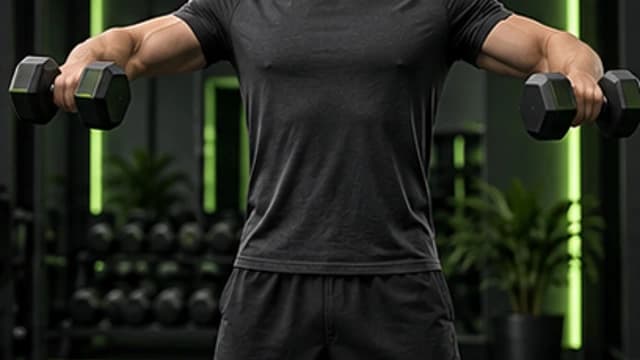
1. Lateral Raises
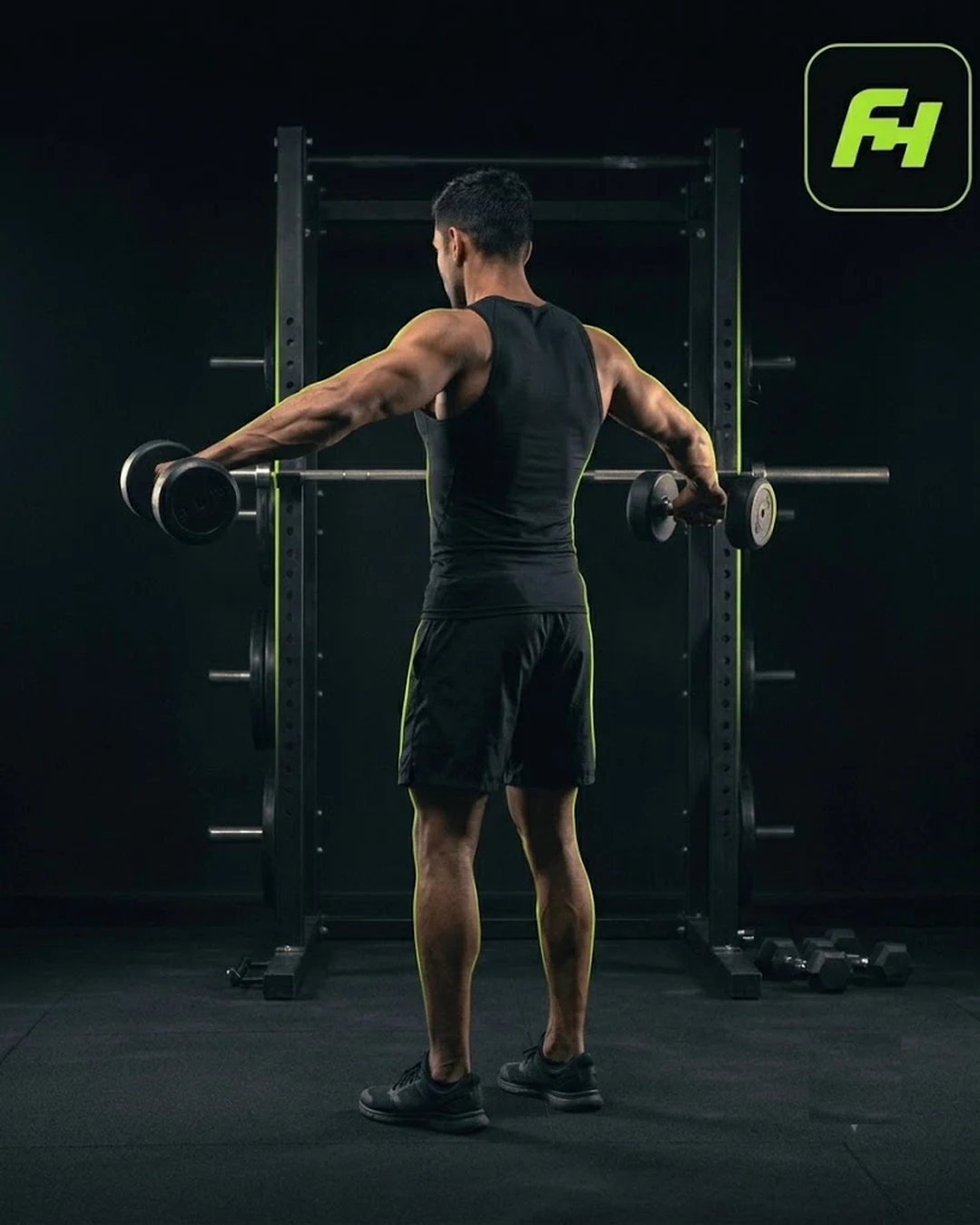
Role: Side-raise option. Use light dumbbells and raise through a comfortable path without shrugging or swinging.
Check: Do not force a height or hand position that causes shoulder pain.
2. Cable Lateral Raises
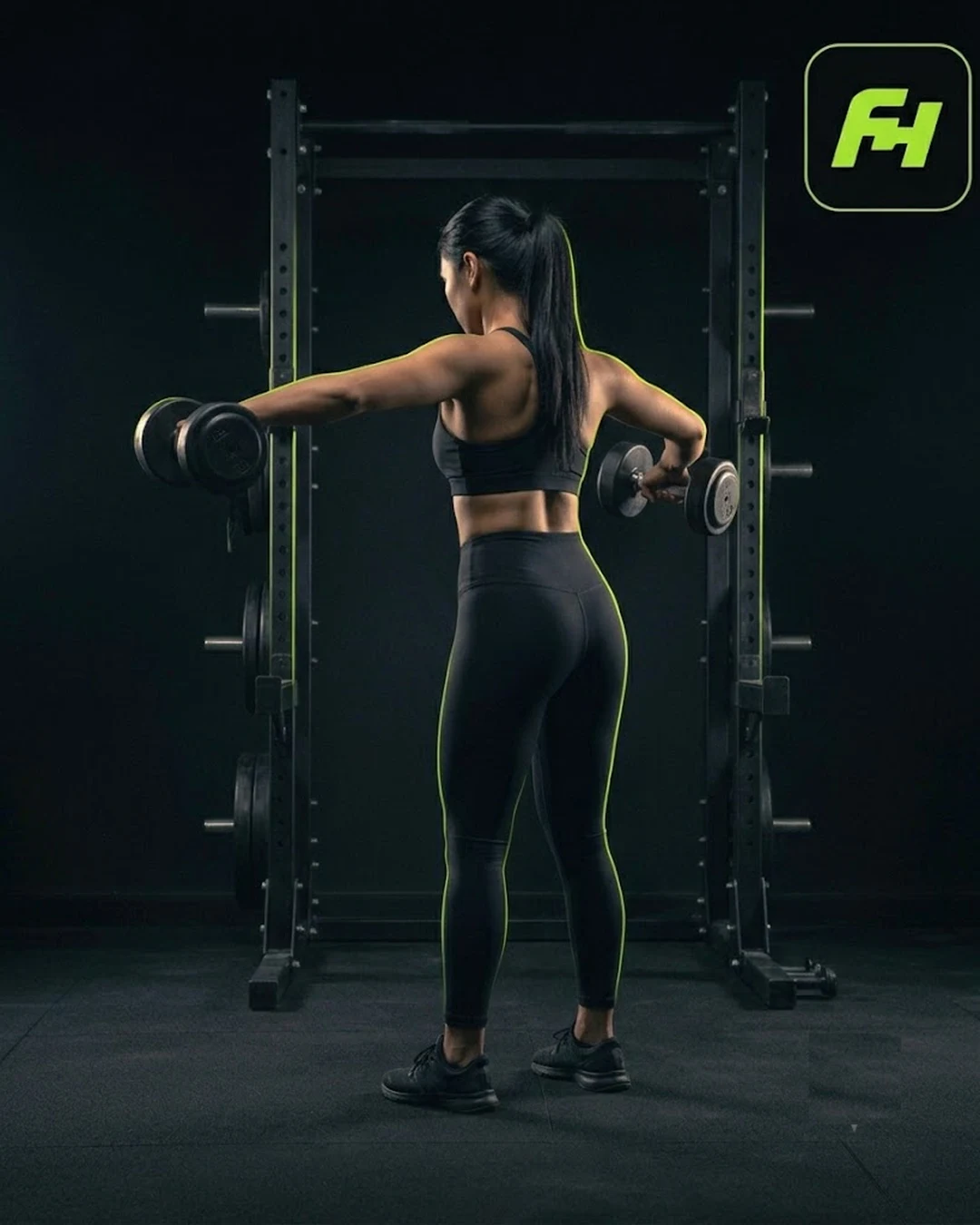
Role: Cable side raise. Set a low pulley and secure handle. Keep the cable path clear and lift with control.
Check: Use a lighter trial load; stack numbers are not dumbbell equivalents.
3. Reverse Pec Deck
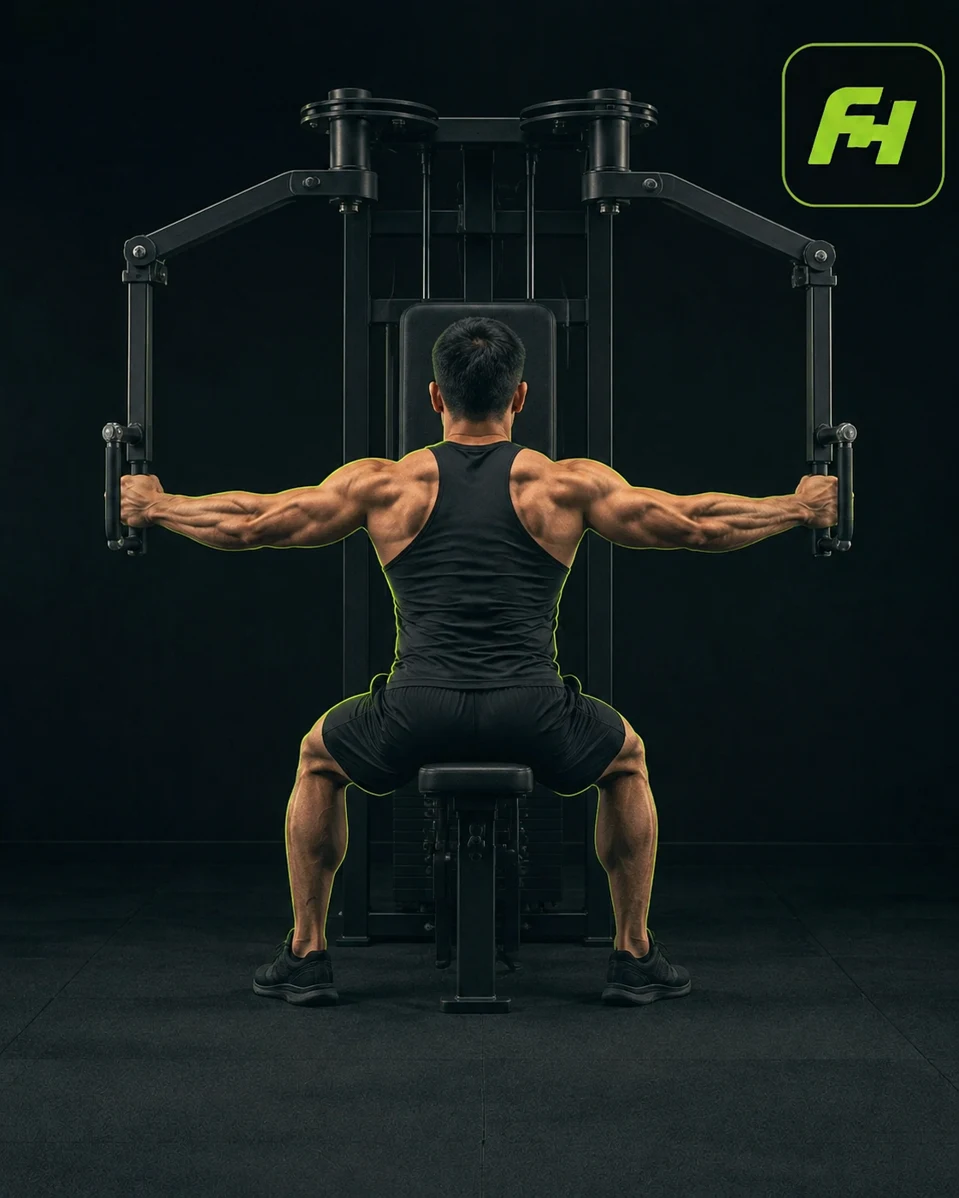
Role: Supported rear-shoulder work. Adjust the seat and starting position, then open the handles smoothly.
Check: A fixed path should fit your body rather than force it.
4. Rear Delt Flyes
Role: Free-weight rear-shoulder work. Use support or a comfortable hinge and light weights. Open the arms without jerking the torso.
Check: If holding the position is the limiting factor, use a supported variation.
5. Face Pulls
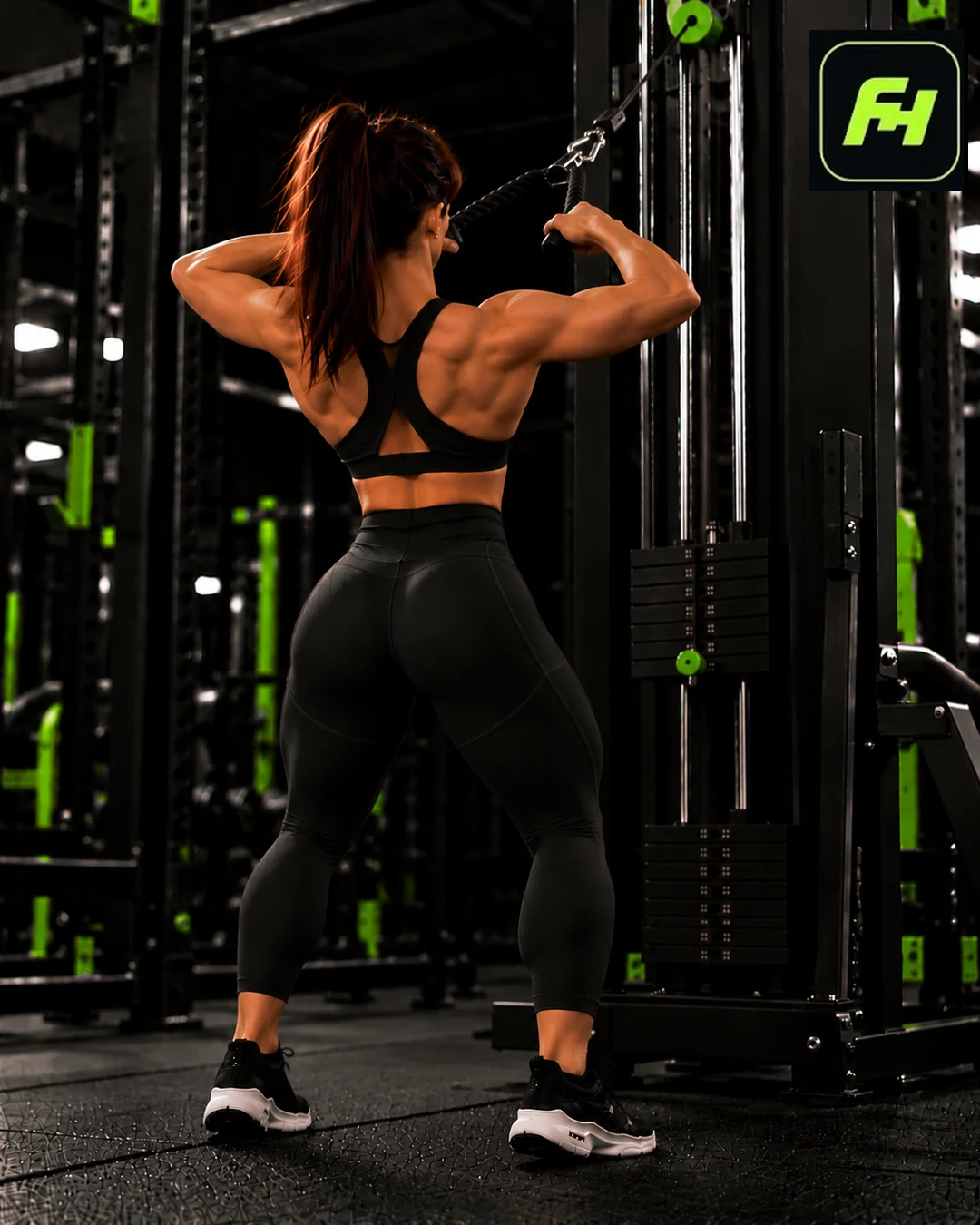
Role: Cable upper-back accessory. Use a secure rope and a light load. Pull toward face level while keeping the trunk stable and following taught technique.
Check: Do not let the attachment strike your face or use momentum.
6. Front Raises
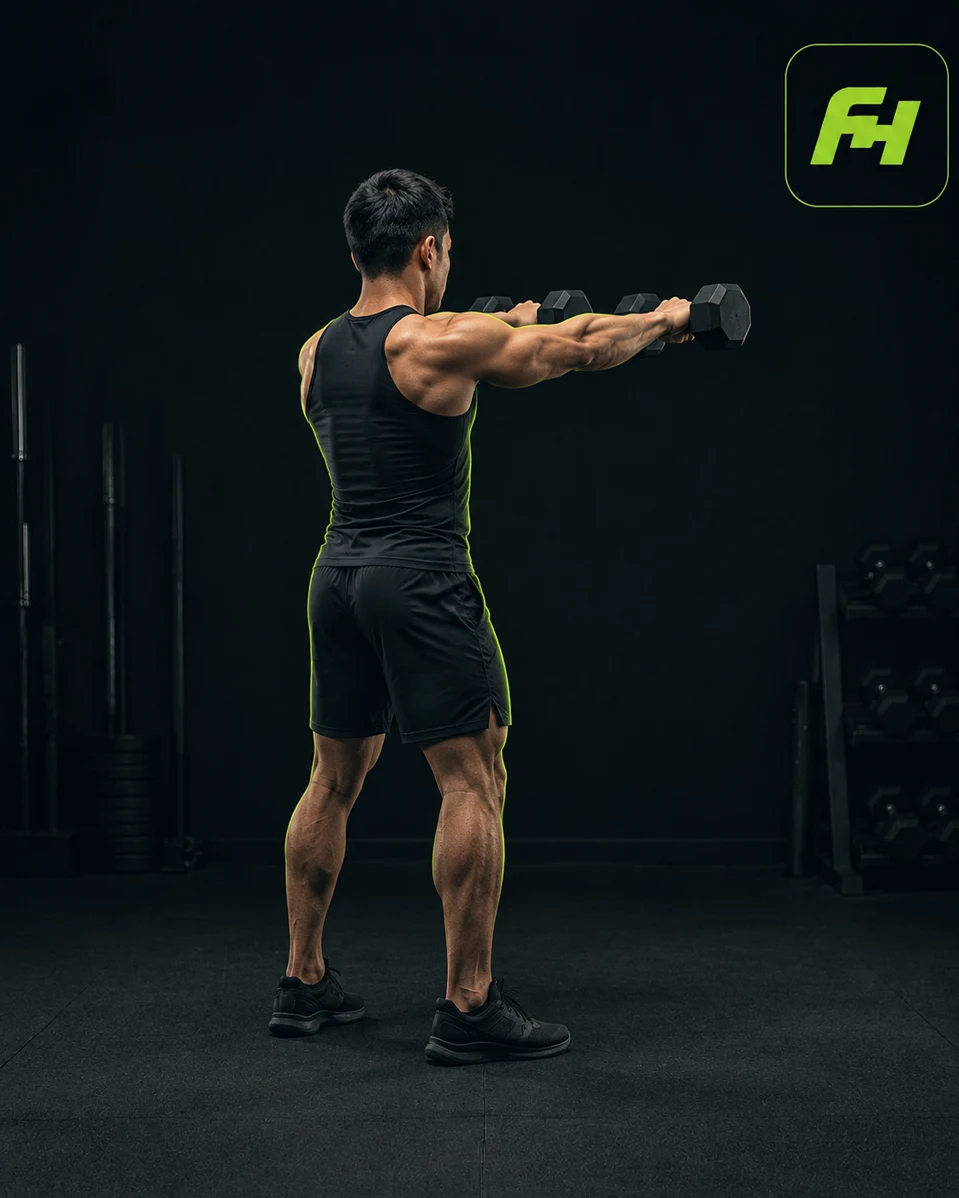
Role: Front-raise option. Raise light weights through a comfortable forward path and lower slowly.
Check: Pressing already involves the front shoulders; extra work is optional.
7. Landmine Press
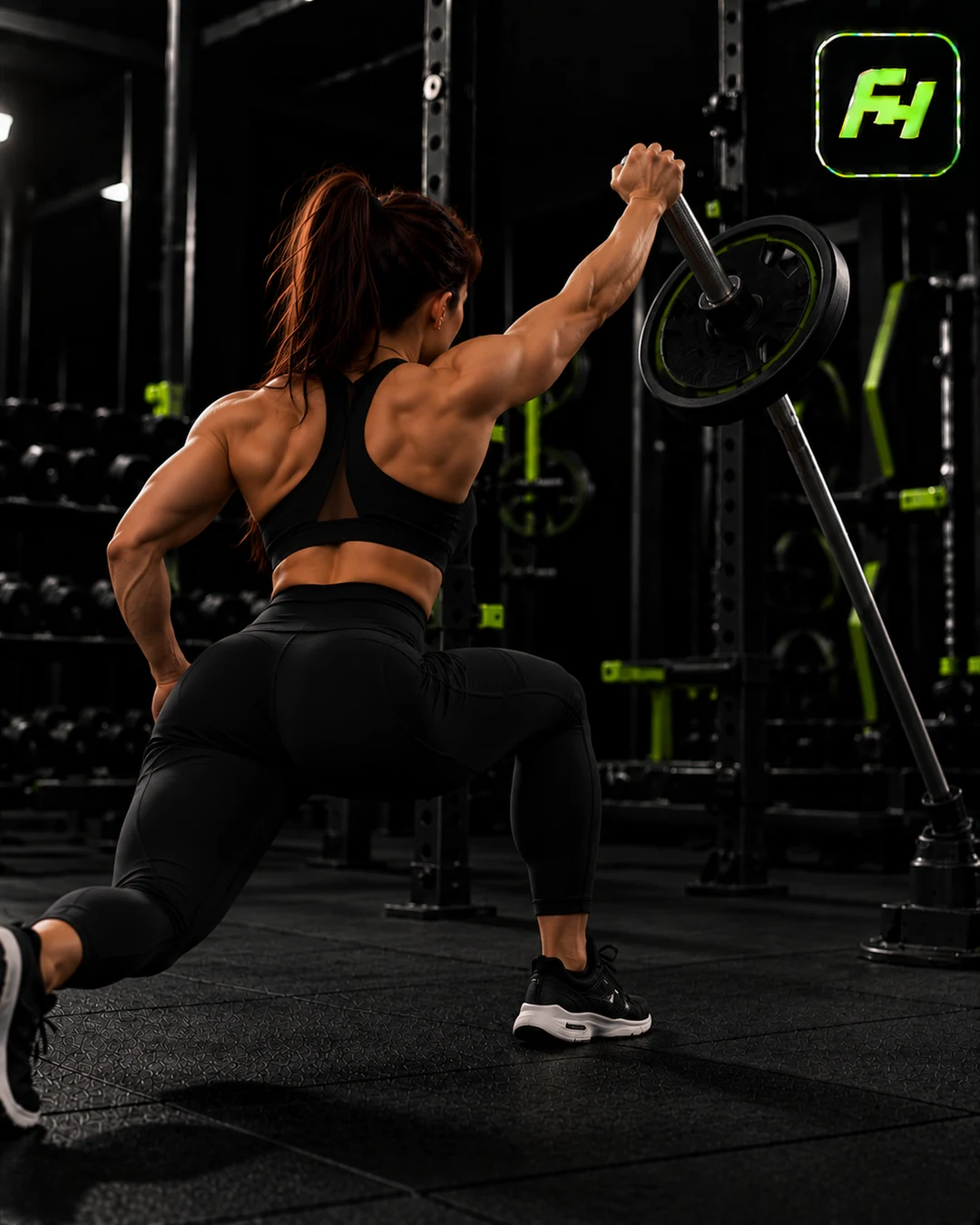
Role: Angled pressing option. Secure the bar in an approved landmine attachment. Learn the grip and standing or kneeling setup.
Check: Do not wedge a bar into an unsafe corner or assume the angle suits every shoulder.
8. Shrugs
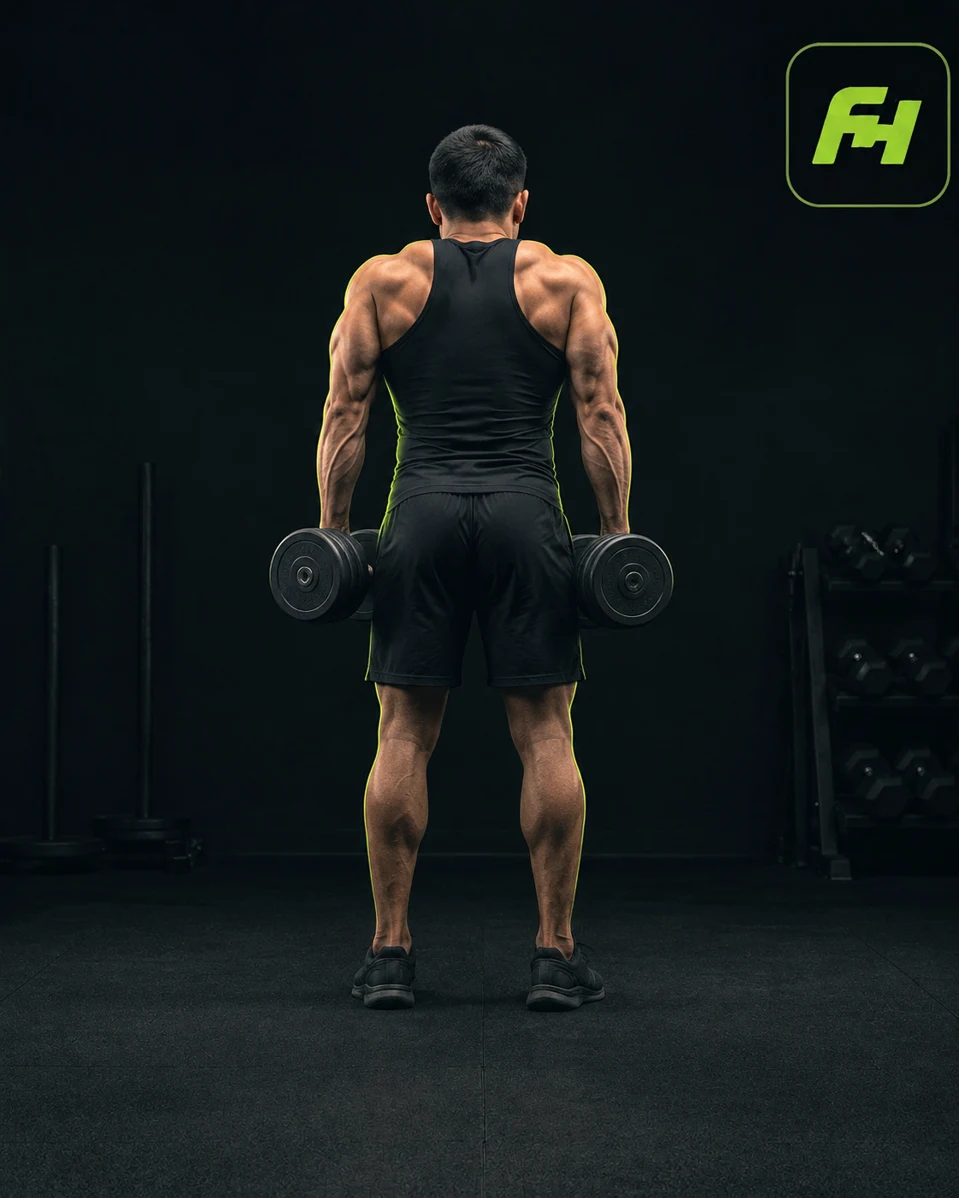
Role: Upper-trapezius accessory. Hold suitable weights and lift and lower the shoulders under control.
Check: This is not a replacement for side and rear-shoulder work. Avoid rolling under heavy load.
Avoid doubling work without a reason
Pressing already involves the front of the shoulders. If your plan has substantial chest and overhead pressing, another front raise may be unnecessary. Side and rear-shoulder work have different roles. Landmine presses are still presses, while shrugs mainly target the upper trapezius. This list deliberately distinguishes those tasks rather than claiming every movement isolates the same muscle.
Sets, effort and progression
The NHS gives eight to twelve repetitions as a general strength-training example and advises gradual progression. That is not a rigid range for every movement: holds, carries and skill practice use different measures. Start with a manageable amount, leave repetitions in reserve while learning and record the actual work. Add difficulty only when the setup and control are repeatable. You do not need momentary failure on every set.
The takeaway
Keep the movement, setup, load and repetitions comparable from one session to the next. If equipment is busy, substitute for the same role, then record the change instead of treating different weights as a direct comparison. A shorter repeatable routine is more useful than a long list you cannot perform well.
Questions people ask
Should I do every exercise in this list?
No. It is a menu of options. Pick a small selection that fits your whole week.
How do I know when to increase difficulty?
First repeat the intended range and technique with control. Then use a small suitable increase, with guidance when needed.

Sources and scope
This is general education for adults, not a diagnosis or an individual training prescription. Exercise choices and examples are editorial applications of the sources below, not a scientifically ranked list. Seek qualified instruction for unfamiliar equipment; get medical advice for symptoms, injuries or health conditions that affect exercise.