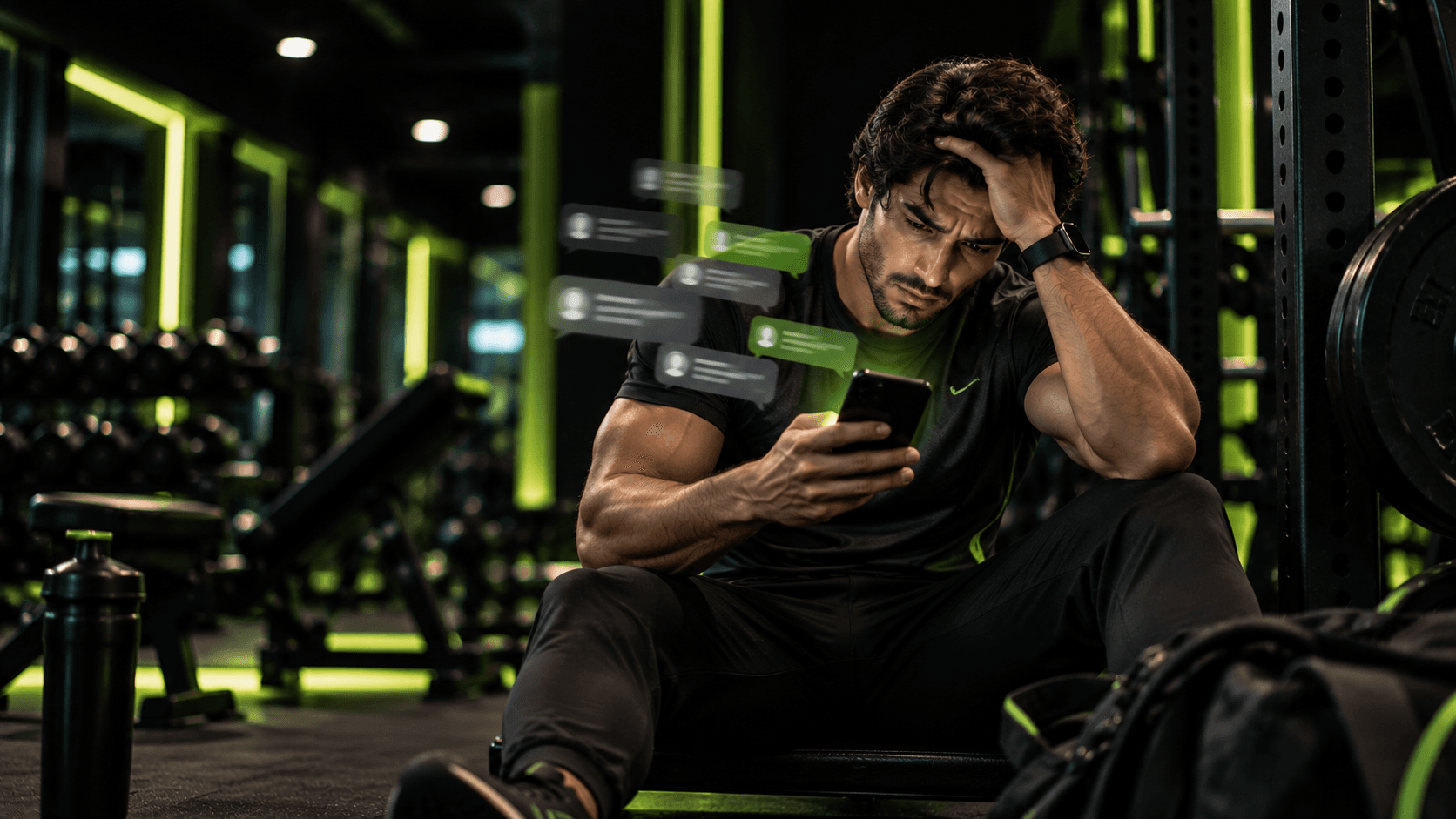
A good trainer compresses years of trial and error into months. A bad one charges you monthly to count reps while looking at their phone. The hard part is that both look identical in the first session. Knowing what to look for before you pay, and how to judge the first month, saves real money and real time.
What to look for when choosing a personal trainer
Trainers · 5 October 2026
What a good trainer actually does
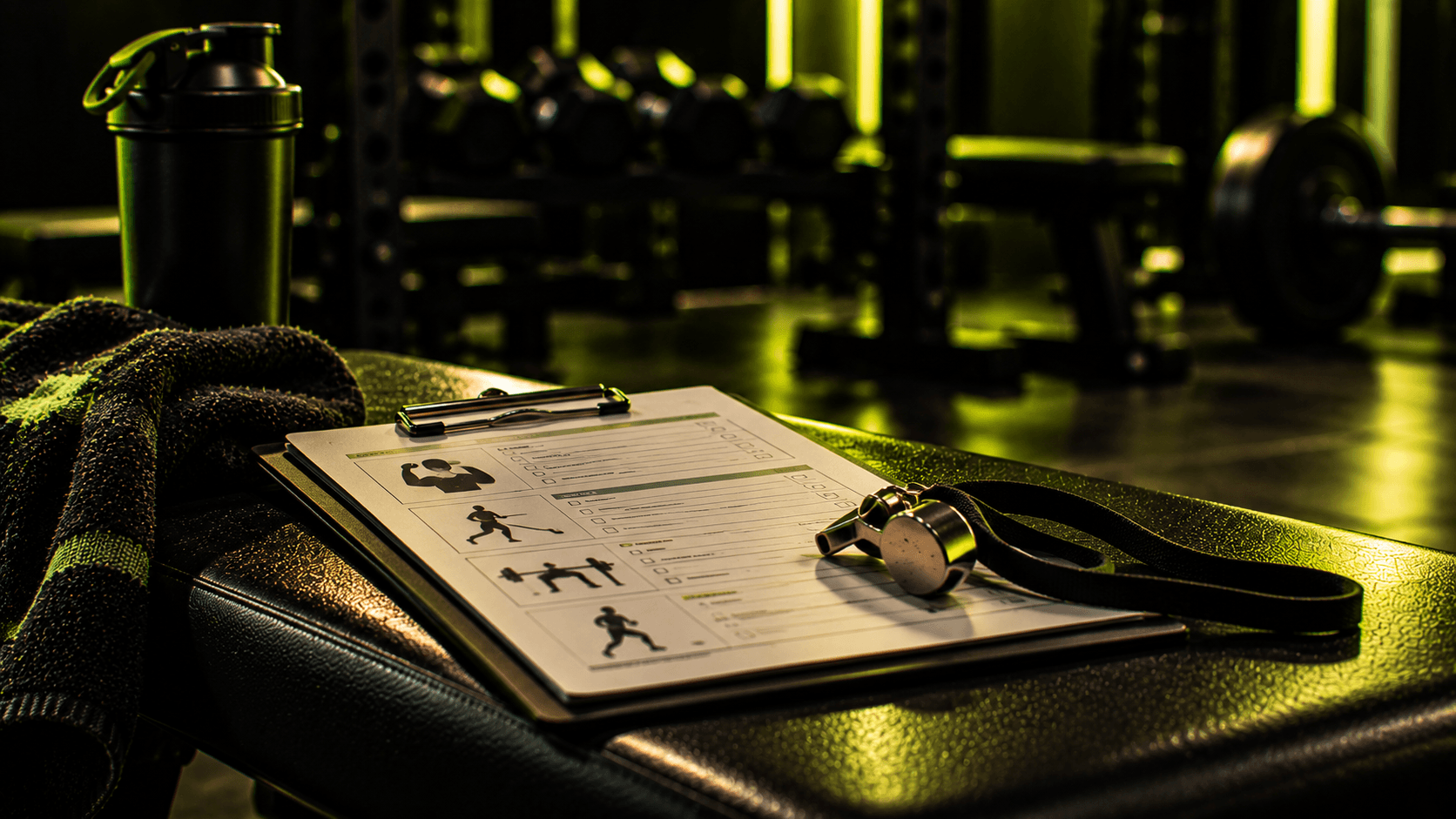
The visible part is the smallest part: showing exercises and correcting form. The valuable parts are invisible in a trial session. A good trainer assesses how you move and what your schedule allows, writes a plan that progresses week to week, tracks your numbers so progression is real rather than vibes, adjusts when life interrupts, and notices when you skip. You are not paying for an hour. You are paying for a system with a person accountable for it.
Questions to ask before paying
- How will you track my progress, and can I see last month's records for a client like me?
- What does week one look like for someone with my schedule and history?
- What happens when I miss a session?
- How do you decide when to increase my weights?
Strong trainers answer these concretely, with examples. Weak ones answer with motivation. "I will push you, bro" is not a system.
Red flags
Be wary of a trainer who gives every client the same workout, promises a transformation in a fixed number of weeks, sells supplements in the first conversation, cannot explain why you are doing an exercise, or keeps your records in their head. That last one matters more than it seems: when the plan lives in someone's head, it dies when they change jobs, and you start over with nothing.

How to judge the first month
After four weeks, you should have three things: a written plan you could see if you asked, logged sessions showing your weights and reps, and at least one visible progression. Soreness and sweat are not evidence; records are. If your trainer tracks in an app you can also see, even better, because the record stays with you. That transparency is the whole reason FitHit gives trainers and members one shared training record.
How many sessions a week do I need?
Two or three supervised sessions work for most beginners. What matters more is what you do on the days they are not watching, so a trainer who plans those days beats one who only counts reps live.
Is online coaching worth it?
For anyone past the total-beginner stage, often yes. You trade live form correction for a better program and more accountability per rupee. Beginners benefit from at least a few in-person sessions to learn the main lifts safely.
When do I not need a trainer?
When you can follow a written plan, track your lifts honestly, and progress for months without supervision, you are paying for company, not coaching. Some people happily do; just be honest about which it is.