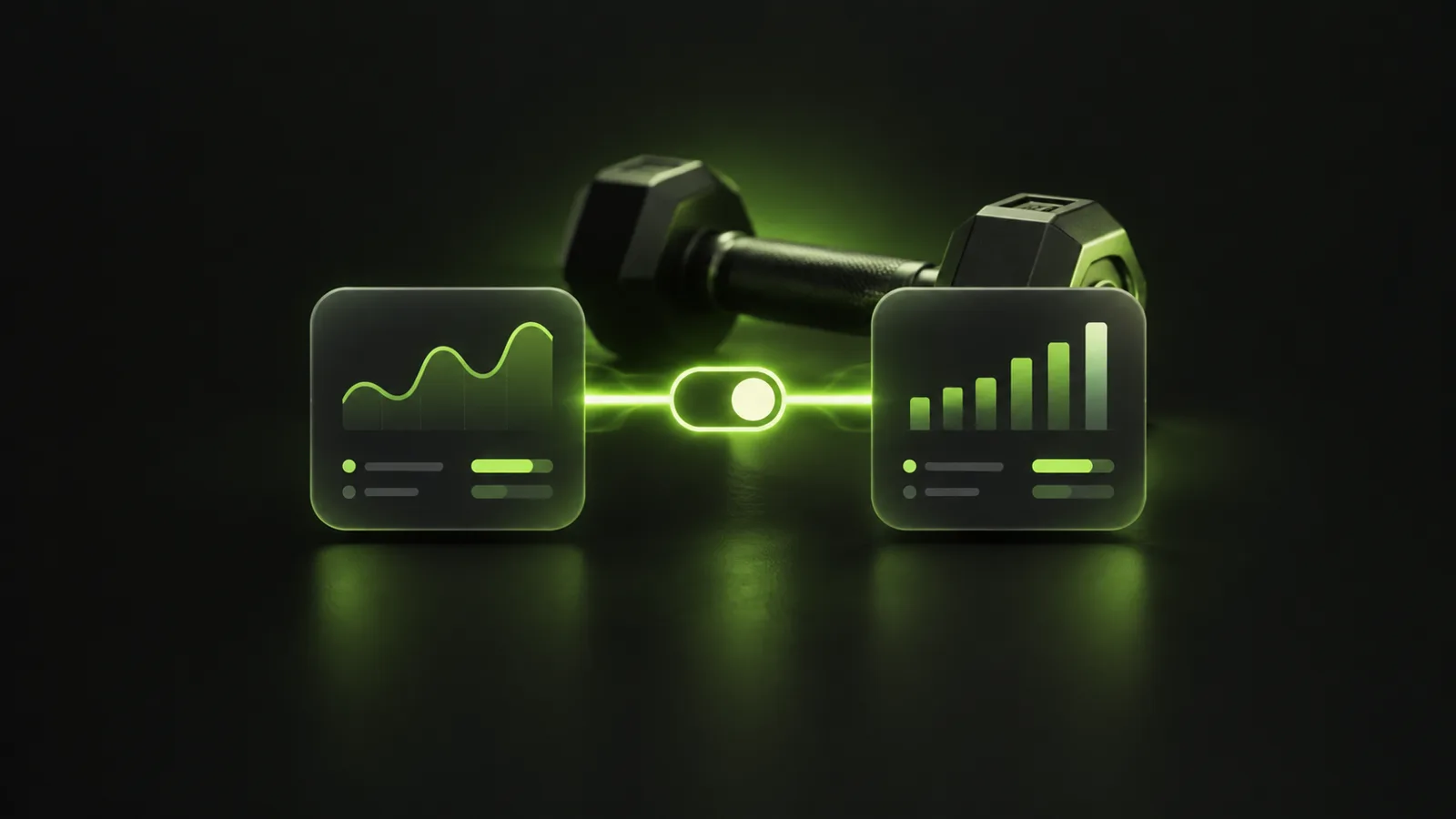
Short answer: training history (what you lifted and when) and health data (conditions, medications, body details) carry different risks. One permission for everything forces you to over-share. Granular permissions let you give a trainer what they need and keep the rest private.
Training History and Health Data: Why Separate Permissions Matter
Fitness ID · 26 October 2026

The two kinds of data
Training history: exercises, sets, reps, weights, session dates, attendance. Health-related data: injuries, medical conditions, body measurements, sleep, heart rate, menstrual or hormonal notes if you track them.
A coach needs the first to programme sessions. They may need a small part of the second, for example "avoid overhead pressing, shoulder surgery last year". They rarely need all of it.
Why one switch is not enough
- Different purposes. Planning sessions and judging health are different jobs.
- Different harm if leaked. A deadlift number is low risk. A health condition can affect insurance, jobs and relationships.
- Different people. A gym front desk, a personal trainer and a physiotherapist should not all see the same things.
What good permissions look like
- Separate toggles for training logs, body measurements and notes.
- A clear label for each, in plain words.
- The ability to change them later without asking anyone.
- A way to see who currently has access.

What you can do today
- List what you actually track.
- Mark each item "needed to coach me" or "private".
- Share the first list, keep the second.
- Review every few months.
Where FitHit fits
FitHit has separate history-sharing and health-sharing settings, so the two can be handled differently. Check the sharing settings screen for the exact options available to you.
Examples
- Fine to share with a trainer: last month of workouts, current working weights, training days.
- Share only if relevant, and in your words: "knee pain on deep squats since June".
- Usually keep private: medical diagnoses, medication, lab results, body photos.
- Depends on the goal: body weight and measurements, which a fat-loss coach may use and a strength coach may not need.
Questions to ask any service
- Can I share my training log without sharing health details?
- If I turn health sharing off, what does the other person still see?
- Is access logged, so I can see who looked?
- Can I change this later without losing my data?
A service that cannot answer these may only offer all-or-nothing sharing, which is a reason to share less.
Key takeaways
- Training logs and health details are not equal in sensitivity.
- Share the minimum needed for the job.
- Review permissions regularly.
FAQ
Is body weight health data? It can be. Treat it as sensitive unless the trainer needs it.
Does a fitness app replace medical advice? No. See a doctor for medical questions.