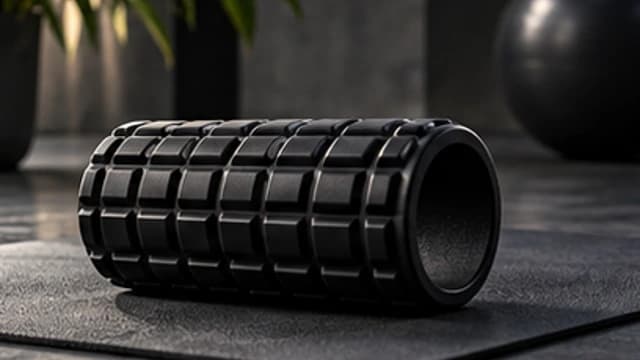
Quick answer: Foam rolling can temporarily increase range of motion and may help some recovery outcomes. It is optional, and evidence does not establish that it repairs injuries or replaces a sensible training plan.
Foam Rolling: What It Can and Cannot Do
Recovery · 26 October 2026
What the research supports
A 2020 systematic review included 32 studies and found improved range of motion. It also reported possible usefulness for recovery after exercise-induced muscle damage, while cautioning that direct athletic-performance benefits beyond range of motion could not be established. Study methods and protocols varied, so a specific roller routine is not a universal prescription.
Separate the feeling from the claim
Feeling less stiff can be useful, but it does not prove tissue has been repaired or that a painful area is safe to load. Claims about "breaking up" tissue or removing toxins go beyond what this review establishes. Do not use a temporary change in comfort to ignore pain during an exercise.
A cautious way to try it
- Use a stable surface and a roller you can control.
- Apply gentle manageable pressure to a broad muscle area rather than a joint or bony point.
- Keep the trial brief and stop for sharp pain, tingling or numbness.
- Recheck the movement you wanted to make more comfortable.
- If it does not help, skip it rather than increasing pressure until it hurts.

When not to self-treat
Do not roll directly over a fresh injury, unexplained swelling or bruising to try to solve it. Seek professional guidance if you have a medical condition affecting circulation, sensation, bleeding or bone health, or if you are recovering from surgery. This is a conservative safety boundary, not a complete list of contraindications.
Keep it in proportion
Rolling is an accessory, not a reason to neglect sleep, nutrition or workload management. If ten minutes of rolling makes you late for sleep or replaces a useful warm-up, reconsider the tradeoff. Choose it for a specific comfortable benefit you notice, not because soreness makes you feel obligated to endure a painful ritual.
Questions people ask
Must foam rolling hurt?
No. Pain is not a measure of effectiveness. Stop if pressure produces sharp pain or altered sensation.
Does it prevent all soreness?
No. The evidence does not support a guarantee, and some soreness can occur despite a careful routine.

Sources and scope
This is general education for adults, not a diagnosis or an individual training prescription. Exercise choices and examples are editorial applications of the sources below, not a scientifically ranked list. Seek qualified instruction for unfamiliar equipment; get medical advice for symptoms, injuries or health conditions that affect exercise.
- Skinner et al.: Foam rolling systematic review (2020)
- NHS: Strength and flexibility