
Quick answer: Ask qualified staff, explain the exercise and load, and agree when assistance starts. A spotter does not replace suitable weights, a safe rack or learning the lift.
How to Ask for a Spot When You Are New to Lifting
Beginners · 26 October 2026
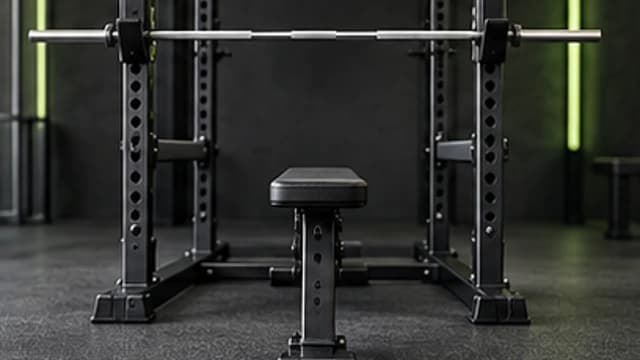
Ask before the set
Try: "Could you spot my bench press? I am doing a controlled set, not a max. Can we agree the handoff and when you take the bar?" Talk before getting under the weight. Someone who lifts a lot is not automatically trained to spot. If either person is unsure, ask staff or choose another exercise.
Agree the communication
- Name the exercise and expected repetitions.
- Agree whether you want a lift-off and a signal to begin.
- Use a clear help word such as "take it."
- Explain how the weight returns to the rack.
- Confirm the equipment and number of competent spotters suit the load.
Keep the safeguards
Ask staff to demonstrate rack and safety-bar settings for your movement and range. Too low may not protect you; too high may obstruct the lift. Test the setup with a light load. Do not turn a first spotting lesson into a near-maximum attempt.
Spotting differs by exercise
A bench press, squat and dumbbell press have different demands. Grabbing a moving bar, wrist or elbow at random is not a spotting method. Dynamic Olympic-style lifts are not handled like a bench press. NSCA describes spotting as a skill requiring instruction and practice. This is a communication checklist, not hands-on training in spotting technique.
If no suitable spotter is available
Choose a movement you can safely control and end without assistance, after learning its setup and exit. A machine is an option, not automatically fail-safe. Stopping with repetitions left is usually more sensible than relying on a stranger to rescue a difficult final repetition.
If someone asks you to spot
Say no when you do not know the method or cannot handle the responsibility. "I am new to spotting; let's get a trainer" is a useful answer. Do not let politeness create an unsafe setup for both people. Clear limits are good etiquette, and an unsuccessful repetition is not worth an improvised rescue.

Questions people ask
Should a spotter touch every rep?
Agree the approach. Unwanted help changes the set and distracts the lifter; safety takes priority if control is lost.
Can a friend spot my first heavy squat?
Get qualified instruction, suitable equipment and appropriate supervision rather than improvising.
Sources and scope
This is general education for adults, not a diagnosis or an individual training prescription. Exercise choices and examples are editorial applications of the sources below, not a scientifically ranked list. Seek qualified instruction for unfamiliar equipment; get medical advice for symptoms, injuries or health conditions that affect exercise.
- NSCA: Basics of strength and conditioning
- ACSM: Updated resistance training guidelines (2026)


